From lobby desks to lakeside docks: how Norway’s hotels now define the summer day
Summer activities at Norwegian hotels now shape the rhythm of a stay more than any spa menu. Luxury properties along the fjords and in each small town have shifted from handing out brochures to curating full days on the water, in the forest and above the Arctic Circle. For families planning a trip to Norway in the warmest season, the real upgrade is not a larger room but a programme that starts at the hotel door and leads straight into the landscape.
Across Norway, summer has become the defining season for this change, even though many hotels operate year round and still highlight the northern lights in winter. Norwegian general managers quietly admit that guests who paddle, fish or forage return home with a deeper experience than those who only book a famous sightseeing tour to a popular fjord. When you visit Norway now, you will find concierges who talk more about tide tables, mushroom patches and the best places to view the midnight sun than about restaurant reservations.
This shift matters for premium families and active couples who want more than passive travel and postcard views. Multi-adventure packages in Norway sold by major operators can reach several thousand dollars per person in the peak summer season, yet hotel-based activities offer similar engagement without the group bus and fixed timetable. The new luxury is choosing whether your Norway summer morning starts with a quiet kayak glide on glassy fjords or a guided forage in a small Norwegian forest behind the hotel.
Micro adventures from the front door: paddles, peaks and quiet Arctic routes
Micro adventures are the new currency of summer outdoor activities at Norwegian hotels, especially for families who prefer half-day outings over full-day logistics. Instead of long transfers, you step from your hotel into a kayak, a RIB boat or a forest trail, and you are back in time for the evening buffet with a clear view of the fjord. This format suits the summer season perfectly, because light lingers late and children can rest between bursts of activity.
Along the Norwegian coast north of the Arctic Circle, the midnight sun stretches each summer into what feels like a long golden afternoon. Properties near Bodø and the quieter Vesterålen region now design short sea eagle safaris and coastal paddles that depart directly from their docks, a style of travel explored in depth in this guide to a summer road trip through Norway’s quieter Arctic. These are some of the best places for guests who want an Arctic experience without the crowds of more famous fjords.
Further south, hotels around the Sognefjord and Hardangerfjord have turned classic places to visit into compact, family-friendly adventures. A morning paddle on calm fjords, an afternoon walk to a small town waterfall and an evening tasting of local berries now replace the old model of a single, long coach tour. For active couples, a guided hike to Pulpit Rock or a quieter ridge with a similar view can be arranged as a micro adventure that fits neatly between breakfast and a late dinner in the long Norway summer light.
Kayaks, fishing rods and foraging baskets: the new language of Norwegian luxury
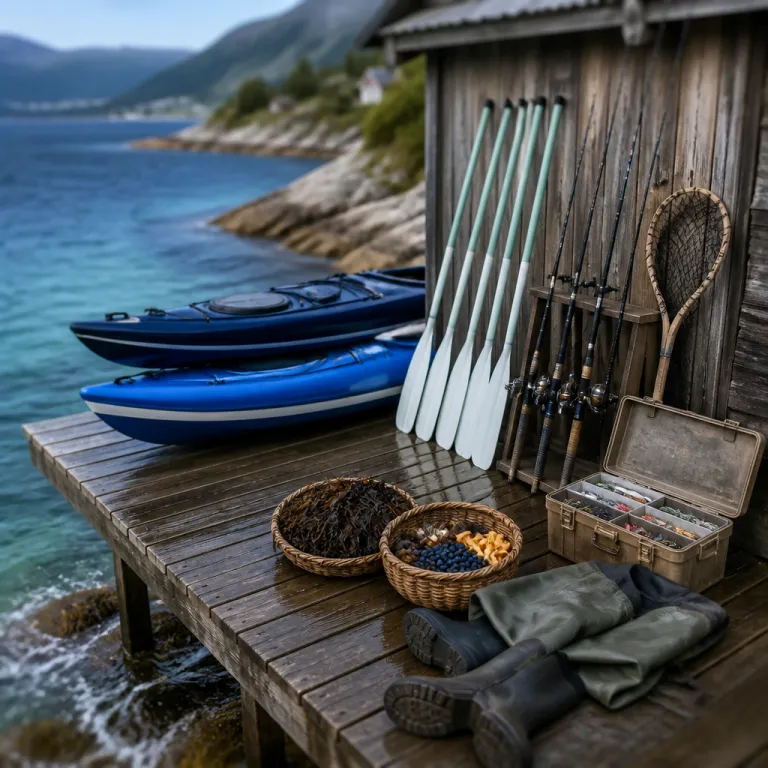
Summer programmes at Norwegian hotels now read like a gear list rather than a brochure of bus tours. Kayaks, fishing rods and foraging baskets have become standard tools for concierges who design days that feel both luxurious and grounded. The goal is simple yet ambitious: to turn the fjord, the forest and even the Arctic shoreline into an extension of the hotel itself.
In the Norwegian fjords, families will find guided kayak sessions that start from the hotel pier and end with hot chocolate on the terrace, while older children join catch-and-cook fishing trips with local skippers. Up in the Lofoten Islands, several of the best hotels now pair sea eagle safaris with hands-on photography workshops, so guests return not only with memories but with skills that last all season. On Svalbard, high-end lodges near Longyearbyen offer carefully controlled boat trips and shore walks that respect the fragile Arctic environment yet still feel like a once-in-a-lifetime experience.
Foraging has become one of the most quietly popular activities in both fjord country and forested valleys like the area around the Juvet Landscape Hotel. Norwegian hotel concierges collaborate with local foraging guides and culinary experts to lead guests through small birch woods and riverbanks, filling baskets with berries and mushrooms that later appear on the dinner menu. This is where the line between activity and dining blurs, and where a summer–winter contrast emerges: in the darker months, the same hotels shift focus to preserved flavours and northern lights viewing instead of fresh forest harvests.
The concierge as local guide: families, expertise and the return guest effect
The most interesting change in Norwegian hotel summer activities is not the equipment but the people who design the days. Many luxury properties now hire concierges from nearby fishing villages and farming communities rather than from generic tourism agencies, turning the front desk into an activity coordination hub. These Norwegian hotel concierges act as both planners and storytellers, connecting guests to fjords, small towns and Arctic traditions with a level of detail that guidebooks rarely match.
For families, this shift transforms how children experience Norway in the bright summer season. Instead of sitting on a bus, they learn to paddle safely in a sheltered fjord cove, help pull up a crab pot or follow animal tracks on a short forest walk tailored to their age. Hotels report that when children engage with nature through doing rather than watching, parents are more likely to plan a return trip to Norway and to recommend the property as one of the best places for active travel.
Data from organisations such as Innovation Norway and the Adventure Travel Trade Association helps explain why this approach aligns with broader trends in experiential travel growth and luxury expectations. The Adventure Travel Trade Association has reported that adventure tourism grew at an average annual rate of around 21% between 2012 and 2018, while Innovation Norway highlights nature-based experiences as a core driver of inbound travel. As one summary puts it, “Kayaking, fishing, foraging workshops” are now central answers when guests ask what activities are offered, and “Yes, with options for all ages” is the standard response when families ask if these programmes suit children. When you add the reassurance that “Contact your hotel’s concierge” is all it takes to book, the barrier between idea and action almost disappears for guests planning their Norway summer stay.
Planning your stay: how to choose hotels for Norway’s long summer days
Selecting the right base for outdoor activities at Norwegian hotels starts with geography and then moves to programme depth. Decide whether your family wants the drama of Lofoten, the softer curves of the western fjords or the stark Arctic light of Svalbard and the North Cape, then look for hotels that run their own guided activities rather than only selling external tours. Properties that operate year round often have the most refined systems, because they have learned how to adapt between the summer season and the darker months of northern lights and snow.
When you visit Norway with children, prioritise hotels that publish clear age guidelines and safety standards for each activity. Ask whether kayaking, fishing and foraging are run by in-house staff or by long-term local partners, and whether group sizes stay small enough to feel personal even in the busiest summer season. In fjord regions, request a fjord-view room if budget allows, but remember that the real value lies in how easily you can step from that view into the water or onto a nearby trail.
Practical planning still matters in a country where weather can shift quickly even in the warmest time of year. Book key activities in advance, pack layers for both summer–winter contrasts in the mountains and respect local customs on the trail and at sea. For a deeper sense of Norwegian hospitality, read about why the traditional breakfast buffet is often considered the highlight of a stay in this guide to the Norwegian hotel breakfast in July, then build your daily plan around long, unhurried mornings and late, light-filled evenings outdoors.
FAQ
What kinds of outdoor activities do Norwegian luxury hotels offer in summer?
Most high-end hotels in Norway now offer guided kayaking, light hiking, fishing trips and foraging walks as part of their summer activity programmes. In coastal and fjord regions, you will find sea eagle safaris, calm-water paddles and short summit hikes tailored to different fitness levels. In Arctic areas such as Svalbard and the North Cape, activities focus on boat excursions, wildlife viewing and safe, guided walks within the Arctic Circle.
Are these hotel-based activities suitable for families with young children?
Yes, many Norwegian hotels design their summer programmes with families in mind and clearly mark age limits for each activity. Calm fjord paddles in stable kayaks, short forest walks near the hotel and simple fishing from a pier are typical options for younger children. Older children and teenagers can often join longer hikes, more adventurous paddles or photography-focused tours in regions like the Lofoten Islands.
Do I need to book Norway hotel outdoor activities summer experiences in advance?
Booking in advance is strongly recommended, especially during the peak summer season when demand is highest and group sizes remain intentionally small. Contact your hotel’s concierge before your trip to Norway to reserve key activities such as glacier walks, sea safaris or guided foraging. Once on site, you can usually add shorter experiences, but signature tours in popular fjord areas and Arctic regions often fill quickly.
How do hotel-based activities compare with multi-day organised tours in Norway?
Multi-day adventure tours in Norway often bundle transport, guiding and accommodation into a single package, which can be convenient but also expensive and rigid. Hotel-centred programmes let you enjoy many of the same experiences, such as kayaking in fjords or hiking to viewpoints like Pulpit Rock, while keeping control over your daily rhythm and budget. For many premium families, this balance between structure and freedom makes hotel-based activities the best choice for a Norway summer holiday.
Can I enjoy meaningful outdoor experiences if I visit Norway outside the main summer season?
Yes, many Norwegian hotels operate year round and adapt their activity menus to each time of year. In the shoulder months, you might combine shorter hikes and coastal walks with cosy evenings, while in winter the focus shifts to snow-based activities and northern lights viewing. The key is to speak with the concierge about what works best for the specific weather and daylight conditions during your planned visit.