Best hotels in Sogn og Fjordane (Vestland) for a luxury fjord stay
Summary: This guide to Sogn og Fjordane (now part of Vestland county) highlights some of the best fjord hotels and hotell experiences around the Sognefjord and Sogndal. You will find concrete examples of premium properties, typical price levels, driving times from Sogndal Airport, and what to expect from rooms, spas and services. Use it to compare locations, plan how to explore key points of interest and choose the right hotel for your style of trip.
Choosing Sogn og Fjordane for a luxury stay
Steep mountains dropping straight into deep water, ferries gliding past boathouses, and a silence that feels almost architectural. Sogn og Fjordane, historically a separate county and now part of Vestland, is not just another Norwegian region with fjords; it is where the landscape becomes the main design element of your hotel stay. If you are wondering whether to base yourself here, the answer is simple: for travellers who value scenery and calm over nightlife, this is one of the best destinations in Norway for a slow, high-comfort fjord experience.
The area stretches around the mighty Sognefjord and its branches, with small towns such as Sogndal acting as practical hubs. From the terrace of a fjordside hotel, you might watch the light shift over the water for hours, then walk just a few minutes to a quay or a tiny grocery on the main road. This is the rhythm here: slow, precise, quietly luxurious. A good Sogn Fjordane hotel does not overwhelm you with amenities; it frames the view and lets the fjord do the talking while you simply receive the landscape.
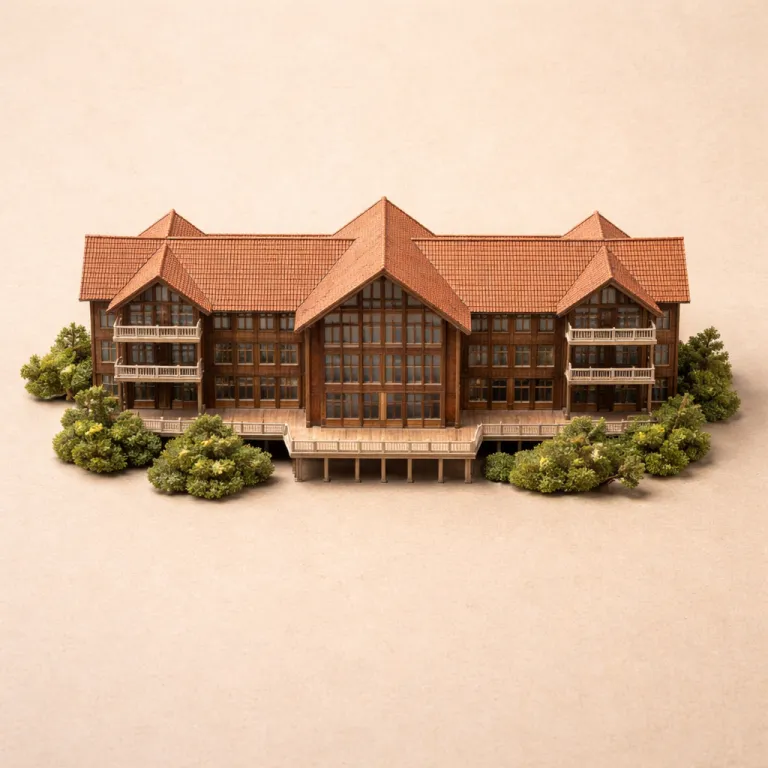
Luxury and premium properties in the region tend to be intimate rather than imposing. Many are historic wooden hotell buildings that have been carefully modernised, with contemporary Nordic interiors behind traditional façades. If you are browsing a booking website and see references to panoramic fjord views, mountain-facing rooms or direct access to the water, you are looking at the right kind of place. The key decision is not whether to come, but which stretch of fjord you want to wake up to and how close you want to be to key points of interest.
Key areas to stay in Sogn og Fjordane
Fjord villages along the Sognefjord offer the most cinematic settings and many of the best hotels in the region. Here, properties such as Kviknes Hotel in Balestrand (historic, mid–upper price range) and Fretheim Hotel in Flåm (classic, mid–high) sit close to the shoreline, sometimes just a few metres from the pier where sightseeing boats depart. You might step out of the lobby, cross a narrow local road, and be on the quay in under a minute. These locations suit travellers who want to explore the fjord by boat, kayak or RIB, then return to a quiet room with floor-to-ceiling windows and a glass of wine facing the water. For many visitors, this is the classic Sogn Fjordane hotel experience.
Sogndal, by contrast, feels more like a compact university town and gateway. The main street, Storgata, concentrates cafés, outdoor shops and a few understated Sogndal hotels such as Quality Hotel Sogndal (modern, mid-range) and Hofslund Fjordhotell (smaller, fjord-facing). Staying here works well if you want to drive different directions each day: one morning to glacier viewpoints, another to small wooden churches or lesser-known sites along side fjords. You trade the absolute drama of a fjord-edge property for easier logistics, more dining options within walking distance and quick access to Sogndal Airport transfers.
Further north and west, smaller communities in Sogn og Fjordane offer a different experience again. Hotels in these villages tend to be quieter, sometimes with only a handful of rooms, and the feeling is more like being a guest in a large private house than in a classic resort. Examples include Walaker Hotel in Solvorn (Norway’s oldest family-run hotel, upper price band) and Fjærland Fjordstove Hotell (intimate, mid-range, strong food focus). Choose these if you value seclusion, dark skies and the sense that the nearest crowd is a ferry ride away. For a first visit, though, basing yourself along the Sognefjord or in Sogndal gives the best balance between access, atmosphere and the ability to explore several points of interest in one stay.
What to expect from premium hotels and hotell experiences
Rooms in the better hotels here are usually defined by their windows. Expect large panes framing the fjord or the mountains rather than heavy decoration. Colours tend to be muted: slate, pine, wool in soft greys and blues. You might find polished wooden floors, thick duvets, and armchairs positioned deliberately towards the water, not the television. The most sought-after categories are often corner rooms or top-floor suites with uninterrupted fjord views, which are usually flagged clearly on each hotel website.
Public spaces are designed for lingering. Many properties offer lounges with fireplaces, libraries with old travel books, or verandas where you can sit under blankets even on cool evenings. Breakfasts are typically generous, with local cheeses, smoked fish and freshly baked bread, and in some places you can watch small boats move along the fjord while you eat. Service is usually discreet and friendly rather than formal; staff may recommend a hiking trail or viewpoint as readily as they bring you a drink, and many hotels can help you book local activities.
Wellness facilities vary. Some hotels include a compact spa area with a sauna, perhaps a small indoor pool or outdoor hot tub facing the water. Do not expect vast spa complexes; the focus is more on a simple, restorative ritual after a day outside. A short session in a hot tub while the mountains turn pink at sunset can feel more luxurious than any elaborate treatment menu. When comparing options on a hotel website, look carefully at how the spa is described and whether it is integrated with the landscape or simply tucked into a basement, and check if access is included in the room rate.
Access, airports and getting around the fjord
Arrivals usually begin with a flight to the region, then a drive or bus journey that becomes part of the experience. Sogndal Airport (Sogndal Airport, Haukåsen), located around 20–25 minutes by car from the town itself and roughly 30–40 minutes from many Sognefjord hotels near Kaupanger and Hermansverk, is the main aviation gateway for many travellers heading into central Sogn. From there, roads wind along lakes and over low passes, with frequent glimpses of water and farms. The transfer rarely feels like a chore; it is your first encounter with the scale of Sogn og Fjordane and a preview of the views from your hotel.
Once based in a hotel, you will likely rely on a mix of car, ferry and occasional bus to explore the fjord and surrounding valleys. Distances on the map can be deceptive. A village that looks close across the fjord may require a longer drive around the water or a ferry crossing, so it is worth checking travel times carefully before you book. Typical crossings, such as the Kaupanger–Frønningen or Mannheller–Fodnes ferries, take around 15–25 minutes and run frequently in high season. Properties in or near Sogndal offer the easiest access to multiple directions in a single stay, while more remote fjordside hotels reward you with immersion but require more deliberate planning of day trips and return times.
Parking is usually straightforward, and many hotels are used to guests arriving with rental cars loaded with hiking gear or skis. If you prefer not to drive, choose a location with a bus stop or boat pier within a few hundred metres of the lobby; this makes it easier to explore nearby sites without long walks along narrow roads. When you compare destinations within Sogn og Fjordane, weigh the romance of isolation against the practicality of reaching trailheads, viewpoints and cultural points of interest such as stave churches or small local museums.
Who Sogn og Fjordane hotels suit best
Travellers who come here tend to share a certain mindset. They are willing to trade urban buzz for the sound of water against the quay, and late-night bars for early-morning light on the fjord. If your idea of luxury is space, silence and the ability to step from your room straight into nature, Sogn og Fjordane is an excellent choice. If you need shopping streets and a dense restaurant scene, you may find the region too quiet for a full week, even if you choose one of the best-rated hotels.
Couples often choose fjord-facing rooms for slow stays built around long dinners and unhurried days. Families, on the other hand, may prefer hotels with slightly larger common areas, easy parking and short drives to activities such as gentle hikes or boat trips. Some properties are explicitly pet friendly, allowing dogs in certain rooms and sometimes in parts of the lobby, which can be a deciding factor if you are travelling with an animal. Always verify pet policies in detail, as rules vary from one hotel to another and some charge extra cleaning fees for pets.
For solo travellers, Sogndal and similar hubs offer a reassuring base with cafés, small shops and a few evening options, while still giving quick access to the fjord. Guests interested in wellness should look for hotels that offer a spa or at least a sauna with a view, as this can transform a rainy day into a highlight. In short, Sogn og Fjordane suits those who want to receive the landscape on its own terms, not those seeking a resort bubble detached from its surroundings or a nightlife-focused destination.
How to choose the right hotel and location
Start with the map, not the room category. Decide whether you want to wake up directly on the Sognefjord, in a valley town like Sogndal, or in a smaller side-fjord village. Fjord-edge hotels give you the most intense visual experience, with the water often just a few metres from the terrace. Town-based properties offer more everyday convenience: supermarkets, sports shops, perhaps a small cultural centre within a short walk, and easier access to buses for those who prefer not to rent a car.
Next, consider how you plan to explore. If your priority is boat excursions and gentle walks, a central fjord location with a pier nearby is ideal. If you are here for hiking, glaciers or scenic drives, look for a hotel that offers early breakfasts, drying space for gear and easy road access in several directions. Some properties highlight specific experiences they can arrange, from guided hikes to local tastings; these can add depth to your stay if you prefer curated activities over self-planned days and want to make the most of limited time.
Finally, refine your choice by atmosphere. Some hotels lean into historic charm with creaking staircases and old photographs in the corridors, while others feel more like contemporary Nordic lodges with clean lines and minimalism. Read descriptions carefully to understand whether the mood is intimate and quiet or more family oriented and lively. The best match is the one where the style of the property, its setting on the fjord and your own travel rhythm align, whether you are booking a romantic weekend, a family holiday or a solo retreat.
Seasonality, stays and what a typical day feels like
High season in Sogn og Fjordane runs from June to August, when days are long and the fjord is at its most accessible. During these months, a typical day might start with breakfast overlooking the water, followed by a boat trip or hike, then a late dinner while the sky remains light. Shoulder seasons bring fewer visitors and a more contemplative mood, with mist on the mountains and quieter hotel lounges. Winter stays are possible but feel very different: slower, darker, more introspective, and best suited to those who enjoy cosy evenings and quiet spa sessions.
In summer, you might leave your room around 09.00, walk down to the pier, and be on the fjord within minutes. After a few hours on the water, you return to the hotel, perhaps use the spa or sauna, then sit on the terrace wrapped in a blanket as the evening cools. In spring and autumn, the focus often shifts to scenic drives and shorter walks, returning to the warmth of the lobby by late afternoon. The rhythm is gentle, but the scenery is never static; light and weather change the mood by the hour and make even repeat visits feel different.
Length of stay matters. Two nights give you a taste, but four or five nights allow you to explore several arms of the fjord, visit different villages and still have time to simply sit and watch the water. When planning, think less in terms of ticking off sites and more in terms of how many slow mornings and long evenings you want. The real luxury in Sogn og Fjordane is not only the hotel itself, but the time you give yourself to inhabit the landscape and let the fjord set the pace of your days.
Is Sogn og Fjordane a good choice for a first trip to the Norwegian fjords?
Yes, Sogn og Fjordane is an excellent choice for a first fjord trip because it combines some of Norway’s most dramatic fjord scenery with a solid range of hotels and easy access via Sogndal Airport. You can experience classic fjord landscapes, small towns and quiet villages within a relatively compact area, which makes planning simpler. For a first visit, staying along the Sognefjord or in Sogndal offers the best balance between iconic views, practical logistics and access to well-known points of interest.
What is the best time of year to stay in a hotel in Sogn og Fjordane?
The best time to stay in a hotel in Sogn og Fjordane is from June to August, when temperatures are milder, days are long and most fjord activities operate at full capacity. This period is ideal for boat trips, hiking and enjoying terraces with fjord views late into the evening. Outside these months, you will find a quieter atmosphere and more changeable weather, which can suit travellers who prefer calm and do not mind cooler conditions or shorter opening hours at some local sites.
Do many hotels in Sogn og Fjordane offer fjord views?
Many hotels in Sogn og Fjordane are positioned to offer direct or partial fjord views, especially those located along the Sognefjord and its branches. Properties built close to the shoreline often have rooms and common areas facing the water, sometimes just a few metres from the quay. When booking, it is worth checking whether a fjord-view room category is available, as these typically provide the most memorable experience and are among the first to sell out in high season.
Are there pet friendly hotels in Sogn og Fjordane?
Several hotels in Sogn og Fjordane are pet friendly and allow guests to stay with dogs in designated rooms or wings. Policies vary, so you should always verify details such as extra cleaning rules, where pets are allowed within the property and whether there are nearby walking areas. For travellers who like to explore the fjord region with their animals, choosing a hotel with clear, welcoming pet guidelines can make the stay far more relaxed and help you avoid last-minute surprises at check-in.
How long should I stay in Sogn og Fjordane to explore the main points of interest?
A stay of at least three to four nights in Sogn og Fjordane allows you to explore key points of interest while still enjoying the hotel itself. With this duration, you can combine boat trips on the fjord, scenic drives to viewpoints and visits to small towns such as Sogndal without rushing. Shorter stays are possible, but you will have to prioritise one or two main experiences rather than gaining a broader sense of the region and its different fjord arms.