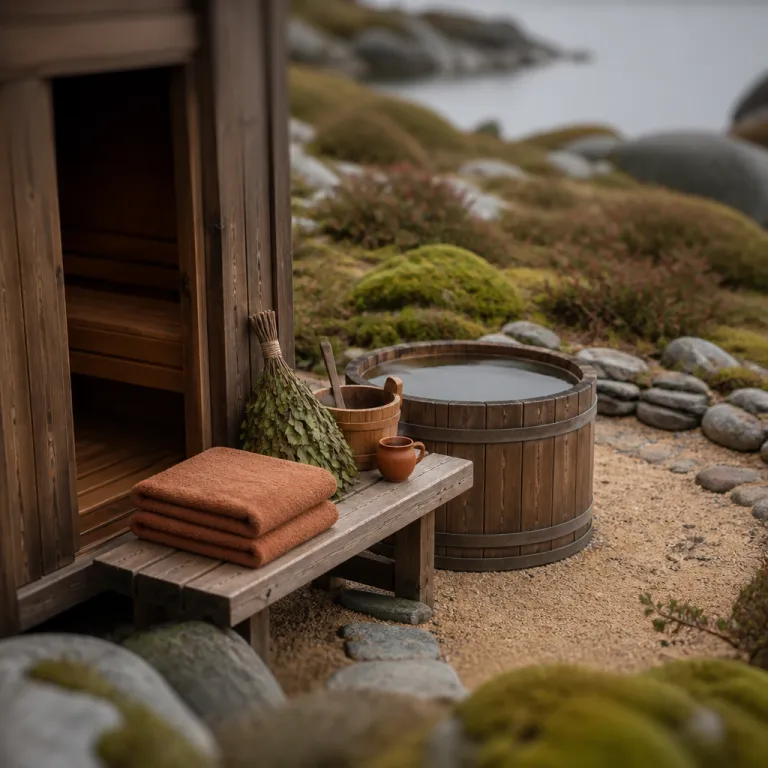
Heat, cold, repeat: how norwegian bathing culture shapes luxury stays
Norwegian bathing culture is built on rhythm rather than spectacle. The classic sequence runs like a quiet metronome through daily life in Norway, from modest swimming halls to high design hotel spas along the fjord. Locals move from a hot norwegian sauna to a cold plunge in the sea or a lake, then rest, then repeat the sauna experience for several rounds.
This ritual of sauna bathing is simple on paper yet surprisingly sophisticated in practice, and it underpins many of the most interesting spa concepts in saunas Norway today. A typical session lasts around ten to fifteen minutes in the heat, followed by a sharp immersion in cold water for a few seconds or a minute, then a longer pause in a lounge or on a harbour deck. The full cycle usually takes about half an hour, and Norwegians often complete two or three cycles during relaxed evening drop sessions with friends or colleagues.
The method is consistent whether you are in a public sauna on the Oslo waterfront or a private spa suite in a remote fjord hotel. You shower, step into the wood fired room, sit in silence or low conversation, and feel circulation and endorphins rise as the minutes pass. Then you walk outside, cross a floating pier or snowy rocks, and let the cold sea or fjord water close over your shoulders before returning to the changing room to reset.
From village badstu to floating saunas: architecture on the waterline
Norwegian sauna culture has moved far beyond the village badstu, and the most striking evolution is the rise of the floating sauna. Across Norway, architects and sauna operators are treating the waterline as a canvas, creating floating saunas that double as social clubs, design objects, and wellness labs. These structures anchor in sheltered corners of a fjord or harbour, giving you a sauna experience where the sea is not a backdrop but an active participant.
In Oslo, the non profit Oslo Badstuforening has become a quiet powerhouse in this movement, operating a network of public saunas along the Oslo waterfront that range from minimalist timber boxes to sculptural fjord sauna pavilions. Sessions are usually booked by the hour, with clear sauna etiquette about pre sauna showers, mixed gender rules, and how to move between hot rooms and cold plunge ladders. Their floating sauna platforms feel communal yet calm, and they have helped normalise year round sauna bathing for both locals and visitors.
For a deeper sense of how a floating sauna can frame landscape, read this insider take on a Norwegian floating sauna at dusk before planning your own visit. Outside Oslo, fjord sauna concepts now appear in small towns and Arctic cities, where wood fired stoves glow beside icy sea channels. These floating saunas in Norway are not gimmicks; they are extensions of a norwegian bathing culture sauna tradition that treats water, weather, and light as essential design materials.
Urban temples of steam: oslo’s new generation of spa hotels
Oslo has quietly become one of Europe’s most interesting cities for serious sauna Norway experiences embedded in luxury hotels. The shift is subtle but important; the sauna is no longer a token basement amenity, it is the spine of the property’s wellness narrative. For travellers using a premium hotel booking website, this means the spa section of the listing deserves as much attention as the room photos.
The Bristol Spa in central Oslo is a case study in how norwegian bathing culture can be distilled into a vertical, three floor spa. Here, you move between hot and cold zones with purpose, from dry saunas to steam rooms, then into hot and cold plunges that echo the fjord and sea outside the city. A snow room, quiet relaxation lounges, and carefully timed hour long rituals turn what could be a generic spa into a compact norwegian sauna journey.
Just outside the capital, The Well in Kolbotn operates as one of Scandinavia’s largest dedicated spa facilities, and it feels like an entire village of saunas Norway under one roof. With multiple pools, more than a dozen saunas and steam baths, and both mixed gender and quieter single gender zones, it offers an urban interpretation of traditional sauna culture. If you are planning a wellness focused trip, use this guide to Norway spa hotel booking to filter for properties where the sauna experience is central rather than decorative.
Cold seas, quiet rules: etiquette for public and private saunas
Stepping into a public sauna in Norway can feel intimidating if you are used to hotel spas where the rules are unspoken and the cold plunge is optional. Here, the ritual is social but structured, and understanding basic sauna etiquette will make your first norwegian sauna session feel natural. The core principles are simple; shower thoroughly, bring two towels, respect the atmosphere, and follow local guidance on nudity and mixed gender use.
Official advice often reads very clearly: “Shower before entering sauna”, “Bring two towels”, “Respect quiet atmosphere”, “Follow local customs on nudity”. In mixed gender public saunas, swimwear is typically required, while in gender separated or private settings, nudity is common, and both norms are widely accepted. Most hotel spas and public facilities provide clear signage in English, and staff are used to guiding international guests through the changing room layout, from lockers to cold plunge access points.
Timekeeping also matters in this culture of alternating heat and cold exposure, and Norwegians tend to treat the ten to fifteen minutes in the hot room as a focused interval. You will see people checking watches or wall clocks, then heading out together to the sea ladder or harbour steps for a shared cold plunge before resting on benches. Respecting the rhythm of these drop sessions, whether in a floating sauna or a land based spa, is part of joining a community that uses bathing as a tool for seasonal coping and social bonding.
Where the sauna is the architecture: fjord edge retreats for solo explorers
Some of the most compelling luxury stays in Norway are now defined less by thread counts and more by how they stage the meeting of sauna, fjord, and sky. For a solo traveller, this is liberating; you can build an entire itinerary around quiet norwegian bathing culture sauna experiences without ever feeling like you are tagging along on someone else’s wellness retreat. The key is to choose hotels and floating saunas where the heat cold ritual is integrated into the architecture rather than hidden in a basement.
Along the coast, you will find wood fired cabins on pontoons, glass fronted saunas perched above rocky sea inlets, and small hotel spas where every treatment room faces the water. In northern regions, projects like Hot & Salty in Bodø show how a floating sauna village can become a social hub, with capacity for several dozen bathers, a heated saltwater pool, and a bar that keeps the harbour animated long after sunset. Typical public sessions there are booked in one or two hour blocks, with prices that are competitive with other urban spa experiences and discounts for locals or off peak times. Pair a stay there with a slow road trip, such as this route from Bodø to Vesterålen described in a quieter Arctic road trip guide, and you will understand how sauna bathing and landscape exploration feed each other.
Even inland, many design forward hotels now treat the changing room corridor as a threshold between everyday life and a more contemplative state. You move from street clothes to robe, from lobby noise to the hush of a fjord sauna deck, then out again to the cold air and dark water. For solo explorers, these spaces offer both privacy and a gentle sense of public community, and regular guests often describe the ritual as a reset button that makes winter more bearable, proving that sauna Norway is as much about mental clarity and community engagement as it is about heat.
FAQ
Is nudity required in Norwegian saunas ?
In mixed gender public saunas, swimwear is typically required. In gender separated or private settings, nudity is common. Signs and staff at each sauna Norway facility will clarify what is expected in that specific changing room and bathing area.
What is the typical sauna routine in Norway ?
The usual norwegian sauna routine follows a clear sequence that many locals treat almost like a script. “Shower, sauna session (10-15 min), cold plunge, rest, repeat 2-3 times.” This pattern of alternating heat and cold, then pausing, is central to norwegian bathing culture sauna traditions in both public and private spas.
Are there health benefits to the sauna ritual ?
Norwegian bathers often speak about the physical and mental reset they feel after structured sauna bathing. “Yes, benefits include improved circulation, stress relief, and muscle relaxation.” Many hotel spa teams will encourage you to keep sessions to around ten or fifteen minutes in the heat, followed by a short cold plunge and a longer rest period.
How do I book time in a floating sauna in Oslo ?
Most floating saunas on the Oslo waterfront, including those run by Oslo Badstuforening, use online booking systems with clear time slots. You usually reserve an hour, arrive fifteen minutes early to change, and share the space with other guests unless you book a fully private session. Check whether your hotel concierge can assist with reservations, especially during busy evenings and weekends.
What should I bring to a public sauna in Norway ?
For public saunas Norway wide, pack a swimsuit, two towels, and simple sandals, unless the facility specifies otherwise. One towel is for sitting in the sauna, the other for drying off between cold plunge rounds, and sandals help on wet harbour decks or around swimming halls. Many hotel spas provide these items, but independent floating sauna operators may charge extra if you arrive without your own gear.