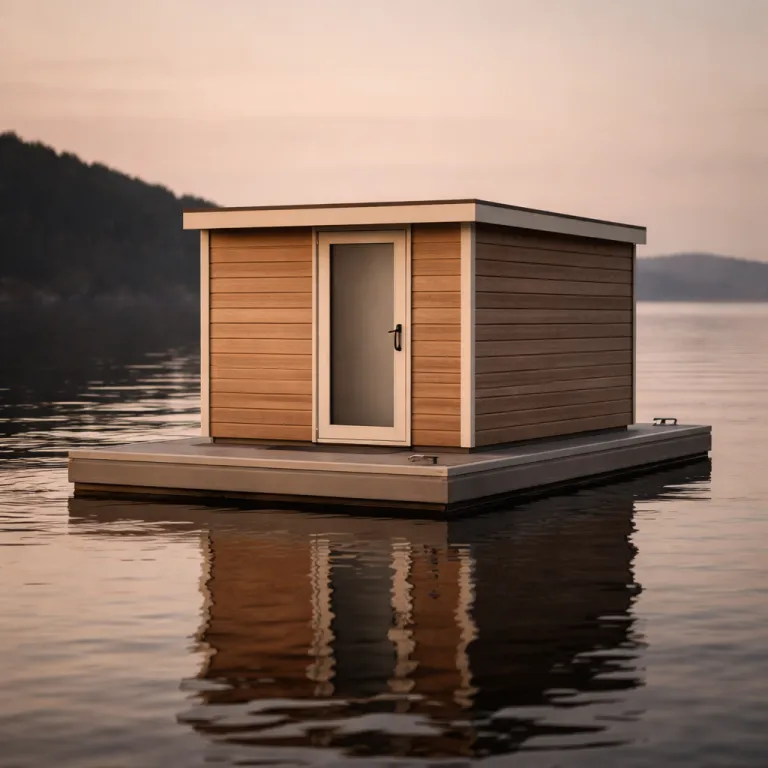
Why norway floating sauna rituals belong in a luxury itinerary
Step off a heated deck into a black-glass fjord and the norway floating sauna ritual suddenly feels less like a passing trend and more like a quiet reset. In Norway the modern floating sauna movement grew from traditional badstue culture and now shapes how premium travelers think about wellness, from Oslo harbour to Bergen city and out towards Lofoten. For couples planning a high end hotel stay, understanding this sauna experience is the difference between ticking an activity box and building a meaningful spa narrative around the landscape.
A floating sauna is a compact, wood fired cabin built on a stable pontoon, with direct water access and often a minimal changing room, so you move in a simple rhythm between intense heat, a cold fjord plunge and a pause on deck. Operators across Norway run these floating saunas year round, which means you might face snow flurries in Oslo or soft rain in Bergen while the stove glows at 80 °C inside. The format is deliberately stripped back compared with a resort spa, yet the best saunas in Norway feel more luxurious than many hotel wellness centres because the fjord itself becomes the treatment room.
For couples used to polished spa hotels, the first question is usually practical rather than poetic. What is a floating sauna? Where can I find floating saunas in Norway? How much does it cost to use a floating sauna? Do I need to book a floating sauna in advance? Are floating saunas available year-round? Those official answers frame the basics, but the real value for discerning travelers lies in choosing the right city sauna or fjord sauna for your itinerary, reading the unspoken etiquette and aligning the price in NOK per person with the level of privacy and service you expect.
Dusk on the Oslo waterfront: urban template for norwegian sauna culture
Oslo is where the norway floating sauna story feels most urban, with glass towers, ferries and a chain of floating saunas moored just minutes from the city centre hotels. Step out from a grand lobby near the Oslo city centre, perhaps after checking into a classic address and reading about refined comfort at a premium Oslo hotel, and within ten minutes you can be boarding a compact floating sauna at Sukkerbiten or joining an Oslo sauna session with locals. The contrast between polished marble in a hotel spa and the raw timber of a wood fired cabin on the fjord is exactly what makes this city sauna scene compelling for luxury travelers.
On the waterfront, operators cap sessions at around sixty minutes, and that time discipline shapes the sauna experience more than any scented oil or treatment menu. You warm up on the upper bench of a fired sauna, step straight into the Oslo fjord for a bracing plunge, then sit wrapped in a towel on deck while the city lights come on and the sky never fully darkens between late spring and early autumn. That lingering light changes everything; the fjord feels less like a cold obstacle and more like a luminous stage, especially when you share the space with just a few other guests in a semi private or shared sauna booking.
For couples staying in a central Oslo hotel, the key is to let the norwegian sauna ritual complement, not compete with, the in house spa. Use the hotel wellness centre for longer, slower hours of relaxation, then book a compact Oslo sauna slot as a pre dinner reset or a jet lag cure. When you plan your budget, expect a typical price in NOK per person that reflects both the central location and the growing prestige of saunas in Norway, and remember that the most memorable luxury here is not a long treatment list but the feeling of stepping from cedar heat into the living fjord.
Bergen, fjords and the art of reading badstue etiquette
Across the country in Bergen, the norway floating sauna scene feels more maritime, with low islands, working harbours and a softer, wetter light that suits slow spa rituals. From a premium hotel in Bergen city you can reach modern operators such as Fryd Askøy or other fjord sauna pontoons in under thirty minutes, turning a rainy afternoon into a quietly theatrical sauna experience. The city itself is compact, so a floating sauna session rarely eats more than a couple of hours from your day, yet it can become the emotional centre of a romantic weekend.
Badstue etiquette here is rarely written down, but it matters, especially when you move between private and shared sauna bookings. Expect a calm atmosphere with low voices or complete silence, always sit on a towel, and keep swimwear on unless you have booked a fully private floating sauna and confirmed local norms with the operator. The rhythm is simple but powerful: ten to fifteen minutes in the wood fired heat, a short plunge into the fjord, then a pause on deck or in the small lounge, repeated several times until your body feels both heavy and sharply awake.
Luxury travelers often ask whether a hotel spa can offer the same depth of relaxation as these floating saunas, and the honest answer is that they serve different moods. A curated spa hotel booking in Norway gives you controlled temperatures, long opening hours and a full menu of treatments, while a Bergen city sauna session offers exposure to wind, rain and the changing light on the water. When you plan your stay, consider pairing a high end spa hotel night with a carefully timed floating sauna booking, and explore premium wellness experiences in Norway that weave both formats into a single, coherent itinerary rather than treating them as separate, competing activities.
From Flam to Lofoten: fjordsauna flam, lyst lofoten and Arctic light
Leave the cities behind and the norway floating sauna ritual becomes more elemental, especially in places like Flåm and the Lofoten islands where the fjord walls close in and the sky feels oversized. In Flåm, a session at FjordSauna Flam places you directly on the water with mountains rising almost vertically around the pontoon, turning each plunge into a brief, cinematic interruption of the landscape. The same basic norwegian sauna structure applies, but the silence, the scale and the absence of city noise make every minute feel denser.
Farther north, a Lofoten sauna session near Henningsvær or at a concept such as Lyst Lofoten shifts the focus again, because the light itself becomes the main luxury amenity. In summer the midnight sun keeps the horizon glowing while you move between the fired sauna and the Arctic water, and in winter the same floating saunas Norway is known for can frame the northern lights as you sit wrapped in a towel on deck. Couples who are used to urban spas often describe these Lofoten sauna experiences as the moment their trip stops feeling like a holiday and starts feeling like a personal retreat.
Integrating these remote fjord sauna sessions into a premium hotel itinerary requires more planning than a quick Oslo sauna booking, but the payoff is significant. You might stay in a design forward hotel in Lofoten, then schedule a private floating sauna for late evening, aligning your slot with the best chance of clear skies or aurora activity. When you compare options, look beyond the headline price in NOK and ask how many people share the space, how easy the fjord access is and whether the operator offers thoughtful touches such as warm robes, local snacks or transfers from the village centre.
Practical guide: booking, pricing in NOK and pairing with luxury hotels
Planning a norway floating sauna session as part of a high end trip starts with understanding the practicalities, because the format is more structured than a typical hotel spa visit. Most operators run fixed time slots, often of sixty or ninety minutes, and you will usually choose between a fully private booking for your couple or a shared sauna session with other guests. For peak evenings in Oslo, Bergen or Lofoten, advance booking is essential, especially if you want a particular time at dusk or late at night.
Pricing varies widely, but a realistic guide is to think in terms of a price in NOK per person that sits somewhere between a premium museum ticket and a mid range restaurant meal. Private floating saunas naturally cost more in NOK overall, yet when you divide the total price in NOK by the number of guests, the difference between private and shared options can be smaller than expected. When you compare offers, look carefully at what is included in the sauna experience, such as towel rental, drinking water, access to a small lounge or the possibility of extending your stay by extra hours.
For couples building a full luxury itinerary, the smartest approach is to treat each floating sauna as a highlight threaded between hotel stays rather than a standalone attraction. You might anchor your trip with a series of five star hotel deals in Norway, then weave in a city sauna in Oslo, a fjord sauna near Bergen and a more remote session in Flåm or Lofoten as you move north. That structure keeps your wellness journey coherent, balances controlled spa environments with raw nature and ensures that every NOK you spend on saunas in Norway works in tandem with your accommodation budget rather than competing with it.
Operators, etiquette nuances and how to read quality from afar
Once you understand the basics of the norway floating sauna format, the next step is choosing operators whose standards match your expectations for a luxury trip. Names such as H2Odda in Odda, Fryd Askøy near Bergen, Nausta in Molde and SVAI Sauna Molja in Ålesund illustrate how widely the concept has spread across Norway, often in partnership with local tourism boards and wellness organisations. Each operator works with the same core ingredients — a wood fired stove, direct fjord access and compact facilities — yet the execution, cleanliness and service culture can differ significantly.
Reading quality from afar starts with how clearly an operator communicates the sauna experience, from safety rules to what is included in the base price in NOK. Look for precise information about maximum capacity, whether the booking is private or shared, how many hours you have on board and whether the floating sauna operates year round or only in certain seasons. Clear answers to those questions signal a professional approach, while vague descriptions or unclear NOK per person pricing can be a red flag for travelers who value reliability.
Etiquette nuances also matter, especially when you move between different regions and types of saunas Norway offers. In urban settings such as an Oslo sauna or a Bergen city sauna, expect more mixed gender sessions and a slightly livelier atmosphere, while in smaller fjord communities the mood may be quieter and more contemplative. Wherever you go, the core norwegian sauna code remains the same: arrive on time, respect silence, keep the deck tidy and remember that the real luxury is not the design of the cabin but the feeling of stepping from intense heat into cold, living water with the fjord and, sometimes, the northern lights as your only audience.
FAQ
How far in advance should I book a floating sauna in Norway?
For major cities such as Oslo and Bergen, and for popular fjord locations like Flåm or Lofoten, you should book your floating sauna at least several days ahead for evening and weekend slots. In peak travel seasons or during local events, private sessions can sell out a week or more in advance. Same day bookings are sometimes possible in smaller towns, but luxury travelers should not rely on last minute availability.
What should I wear and bring to a norwegian floating sauna?
Most operators in Norway expect guests to wear swimwear in both private and shared sauna sessions unless clearly stated otherwise. Bring a towel, a reusable water bottle and warm layers or a robe for sitting on deck between plunges, because the air can feel cold even in summer. Many higher end operators offer towel rental and drinking water, but it is wise to check this when you confirm your booking.
Are floating saunas in Norway suitable for first time sauna users?
Floating saunas are generally well suited to first time users, because sessions are structured and staff usually give a short safety briefing before you start. You control how long you stay in the heat and how often you enter the water, so you can keep the experience gentle if you prefer. If you have cardiovascular or respiratory conditions, speak with a medical professional before booking and inform the operator of any concerns.
How much does a quality floating sauna session cost in NOK?
Prices vary by location, duration and whether the booking is private or shared, but many high quality floating saunas in Norway charge a mid range price in NOK per person for a sixty or ninety minute session. Urban saunas in Oslo or Bergen often sit at the upper end of that range, while smaller fjord towns can be slightly more affordable. Always check what is included in the price, such as towels, showers or transfers, to compare value accurately.
Can I combine a floating sauna with a luxury hotel spa stay?
Combining a floating sauna with a luxury hotel spa stay is one of the most rewarding ways to experience Norwegian wellness culture. Use the hotel spa for longer, unhurried relaxation and treatments, then schedule a compact floating sauna session as a focused immersion in nature. This pairing works especially well in Oslo, Bergen and Lofoten, where high end hotels and quality floating sauna operators sit within easy reach of each other.
References
Visit Norway official tourism information on saunas and wellness in Norway, including floating sauna concepts in Oslo, Bergen and the fjord regions.
Sauna Congress information from the International Sauna Association, which outlines global sauna traditions and contemporary wellness standards.
Fjord Norway regional tourism board resources on floating saunas and fjord experiences, with practical examples from operators in western Norway.