Why Kvitnes Gård’s Michelin star is a turning point for Arctic travel
Kvitnes Gård’s first Michelin star has pushed Vesterålen onto the global fine dining map. The distinction makes this remote dining restaurant one of the northernmost Michelin-starred tables in Norway, and it reframes northern Norway as a serious destination for gastronomic journeys rather than a simple detour from Oslo or Bergen. For luxury travellers using premium hotel booking platforms, the phrase “Kvitnes Gård Michelin star in Norway” now signals not only a restaurant, but an entire farm-based stay where food, landscape and lodging are inseparable.
The property sits at roughly 68.5 degrees north in Kvitnes, a small coastal settlement in Vesterålen, and the surrounding farm fields and sea define both the cuisine and the pace of a stay. According to the Michelin Guide entry for Kvitnes Gård, the restaurant’s location “on a remote farmstead” is central to its identity, with the kitchen drawing directly from the land and nearby waters. Guests booking high-end cabins here are not choosing between starred restaurants in a city; they are committing to a single restaurant and farm table experience that runs from afternoon arrival to late night coffee under the midnight sun.
Head chef Halvar Ellingsen, often referred to simply as chef Halvar, left Oslo restaurants and competition kitchens to return to his family gård and build a modern, organic-certified restaurant that is largely self-sufficient in vegetables, herbs, meat and seaweed. The Michelin Guide’s official entry for Kvitnes Gård notes how the kitchen uses local ingredients from the farm and nearby waters to create a tasting menu that changes with the weather, the tide and the work in the fields. As Ellingsen has said in interviews, “If it doesn’t grow here or swim here, we think twice before putting it on the plate.” A recent late-summer menu, for example, paired grilled lamb from the farm with seaweed-glazed carrots and a broth of dried kelp and fermented cabbage, followed by cloudberries preserved in honey from the property’s own hives. For travellers who usually give credit to big city starred restaurants, this new Michelin star in northern Norway shows that the best chef for Arctic cuisine may now be working from a windswept farm table rather than a glass-walled tower.
From family farm to Michelin Guide: how chef Halvar reshaped Arctic cuisine
The story behind Kvitnes Gård’s Michelin recognition starts with a return rather than an opening. Halvar Ellingsen grew up between this gård and the surrounding fjords, then left for Oslo to train in some of Norway’s most ambitious restaurants, including competition work with the national culinary team, before deciding that his future cuisine needed to be rooted back on the family farm. At Kvitnes Gård he has turned his great-grandfather’s land into a modern, sustainable dining destination where the fields, barns and shoreline function as both pantry and narrative.
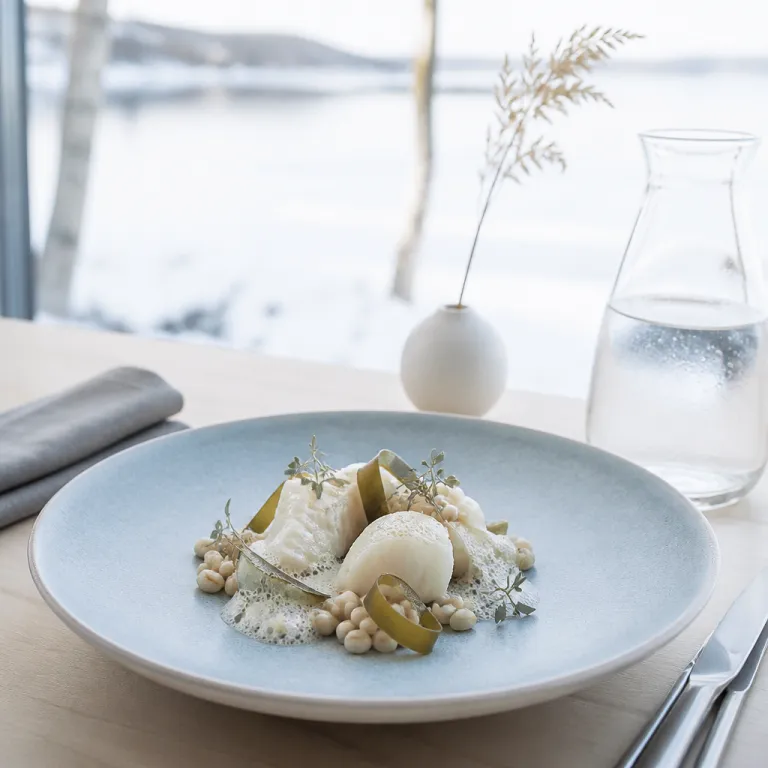
The restaurant operates with a single evening seating, and guests move through a sequence that begins at an outdoor stone oven and often continues to dishes smoked over hot logs, with the chef and his équipe explaining how each plate reflects the local ingredients harvested that day. One evening might start with warm sourdough and cultured butter eaten in the yard, then move indoors to fermented vegetables, aged lamb and seaweed broths presented at a calm, candlelit table that feels closer to a private home than to many urban restaurants. During one winter service, a guest described in a social media post how a course of baked skrei with roasted beetroot and a sauce of dried mussels “tasted like the fjord outside the window,” capturing how the menu mirrors the season. The tools are traditional, but the tasting menu is unmistakably modern Norwegian cuisine, and the Michelin Guide highlights this as a defining example of contemporary Arctic cooking.
For travellers booking luxury stays in Norway, this matters because it changes how you plan a trip built around food. Instead of collecting Bib Gourmand addresses and starred restaurants across Oslo in a single weekend, you might now anchor an itinerary around Kvitnes Gård, then add a night at a design-forward lighthouse hotel or a fjord-side lodge recommended in our report on Norway’s hotels where dinner is the trip. The rise of Kvitnes Gård’s Michelin star also signals that future Michelin Keys for hotels in northern Norway may increasingly reward properties where the chef, the farm and the rooms operate as one coherent experience.
Planning a stay at Kvitnes Gård: what luxury travellers need to know
Reaching Kvitnes Gård requires more intention than booking a weekend in Oslo, and that is part of the appeal for independent travellers. Most guests fly to Harstad/Narvik Airport Evenes or to the regional airport serving Sortland, then continue by car for roughly 2 to 3 hours through northern Norway landscapes of peaks, inlets and small farms before arriving at the restaurant and gård, where cabins overlook grazing animals and, in season, whales. For those searching for Michelin-starred farm stays in Norway on a hotel booking site, it is crucial to understand that this is not a city restaurant with nearby five-star hotels, but a farm table retreat where you sleep on site and wake up to the same fields that supplied last night’s tasting menu.
The overnight format means you should book both room and restaurant well in advance, especially in the light-filled months when the midnight sun hovers above the Arctic Circle and the local ingredients are at their most varied. A typical stay includes an afternoon walk around the farm, a long fine dining service that can stretch over several hours, and a slow breakfast built from the same Norwegian food culture that shaped chef Halvar’s cooking. Many guests then extend the trip with whale watching, a visit to Littleisland Lighthouse or a detour to Lofoten, where our feature on reshaping a luxury itinerary in Lofoten helps you choose the right coastal hotel.
For travellers who care about sustainability as much as Michelin stars, Kvitnes in Norway offers a concrete model of how starred restaurants can operate almost entirely on local ingredients while still delivering a refined, modern cuisine. The team works closely with neighbouring farmers, fishermen and foragers, echoing themes we map in our analysis of Norwegian hotel kitchens shaped by what grows outside, and guests often share experience notes about how this changes their expectations of luxury. When you leave this Michelin-starred farm table, you carry not only memories of a precise tasting menu, but a clearer sense of how northern Norway’s landscape, people and food can redefine what a destination restaurant and remote stay should be. For current opening dates, booking conditions, approximate package prices and contact details, travellers should consult the official Kvitnes Gård website at kvitnes.com or the restaurant’s listing in the Michelin Guide.
Practical questions about Kvitnes Gård’s Michelin-starred experience
When is Kvitnes Gård open? The restaurant and farm stay typically operate seasonally, with the main fine dining season running from late spring through autumn and selected winter dates; exact opening periods are published each year on the official website and in the Michelin Guide listing.
How far in advance should you book? Because there is only one seating per evening and limited rooms on the farm, travellers are advised to reserve several months ahead for peak summer and holiday periods, and at least a few weeks in advance for shoulder seasons.
What does a stay usually cost? Pricing varies by season and room category, but Kvitnes Gård generally sells packages that combine accommodation and tasting menu; current rates, cancellation terms and any minimum-stay requirements are detailed on the booking page at kvitnes.com.