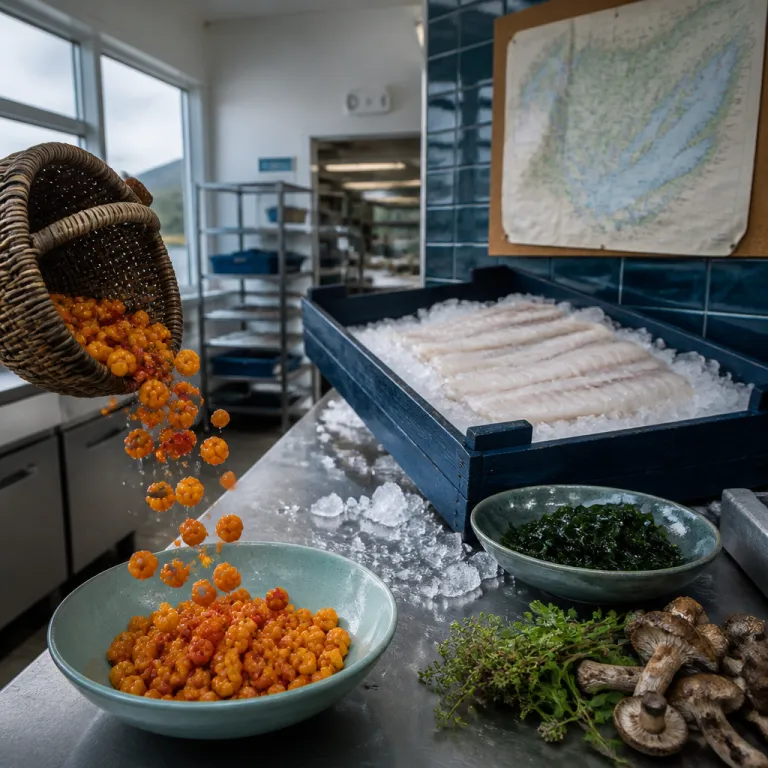
Arctic Norway: skrei, king crab and the edge of the Barents
In northern Norway, norwegian hotel cuisine local food is written in cold saltwater. Luxury properties in Tromsø and across Lofoten build winter menus around skrei, the migratory Northeast Arctic cod that once underpinned the economy and still shapes norwegian food culture. When you plan a trip Norway way up here, you are really planning where to eat meat fish and where to watch the northern lights between courses.
Norwegian hotel chefs in this region treat fish as architecture, not ingredient. A single dish might layer grilled skrei, a small quenelle of fish cakes and a spoon of intensely reduced fish soup, each element showing a different side of fish seafood from the same icy grounds. Guests visiting Norway on a coastal cruise often book extra nights ashore simply to sample these norwegian dishes in quieter dining rooms, away from the buffet rhythm of the ship.
King crab, sea urchin and Arctic char anchor many tasting menus, but the supporting cast is just as local. Foragers arrive with wild herbs and berries, while nearby farmers supply the little meat that appears, often lamb or reindeer, so meat fish balance stays firmly tilted toward the sea. This is norwegian cuisine at its most elemental, where traditional food techniques like drying, salting and gentle smoking meet New Nordic precision and turn food Norway into a study of latitude.
Hotel kitchens here lean hard into preservation to stretch a short growing year. You might eat pickled herring with cloudberry vinegar in February, then return in late summer to find fresh cloudberry desserts on the same menu, both expressing the same landscape in different seasons. As one chef explained to me, “What is New Nordic cuisine? A culinary movement focusing on local, seasonal ingredients.”
For solo travelers, the smartest move is to treat dinner as the main tour. Choose a property that offers chef’s counter seating or small group kitchen tours, so you can watch norwegian hotel chefs plate each fish dish while the sky outside shifts from polar night to a faint midnight blue. If you time your visit to coincide with the skrei season, you will understand why top Norwegian tables in the north talk about this fish with the same reverence French chefs reserve for truffles.
Western fjords: game, berries and hyper local luxury
Along the western fjords of Norway, norwegian hotel cuisine local food becomes a conversation between mountain and water. Properties like Storfjord Hotel, tucked above the Storfjorden, show how traditional Norwegian food can feel quietly luxurious when every ingredient comes from a farm, forest or fjord within a short boat ride. Here, the real amenity is not a spa menu but a handwritten list of today’s suppliers, each one a neighbour.
Menus in this region lean more toward meat and game, yet fish never disappears. You might start with a clear fish soup made from yesterday’s catch, then move to slow roasted lamb or venison, followed by a plate of local cheese that includes the inevitable brown cheese, its caramel tang pairing beautifully with a glass of Norwegian cider. This is where local cuisine proves that norwegian foods are not only about the sea but also about what grazes on steep hillsides and what grows in tiny kitchen gardens.
Foraging is not a trend here ; it is a method. Local foragers bring in wild herbs, mushrooms and berries, while hotel teams preserve a lot of the harvest through pickling, fermenting and drying, so the kitchen can serve traditional food flavours all year. When you sit down to eat, you are tasting a long chain of decisions about land use, animal welfare and seasonal respect, which is why these fjord edge hotels feel like top Norwegian addresses for travelers who care about where their food comes from.
If you are planning tours around the fjords, consider structuring at least one tour entirely around meals. Book a lunch stop at a farm restaurant, then a dinner at a hotel that offers a set menu focused on local fish seafood and mountain meat, so you can sample both sides of the region’s plate in a single day. Our guide to where Norway’s hotel tables hit their stride in high summer is a useful companion when you are choosing which fjord side dining rooms to prioritise.
Cloudberries are the quiet obsession of western Norway well beyond the postcard season. The annual cloudberry harvest is small but intense, and luxury hotels often buy directly from pickers to secure enough fruit for the year’s menus. “Why are cloudberries special in Norway? They are rare, highly prized, and have a unique flavor.”
Time your visiting Norway plans for late summer if you want to taste them fresh. “When is the best time to try fresh cloudberries? Late summer, during their short harvesting season.” In winter, you will find them preserved in jams, vinegars and syrups, turning up alongside cheese plates, game dishes and even in sauces for delicate meat fish combinations.
Stavanger and Bergen: where hotel beds meet Michelin stars
On the southwest coast, norwegian hotel cuisine local food intersects with serious fine dining ambition. Stavanger has become Norway’s quiet culinary capital, and the Eilert Smith Hotel, home to the three Michelin starred RE NAA, is the clearest example of a property where dinner is the reason to book the room. Here, norwegian cuisine is interpreted through a tasting menu that might include raw fish seafood, aged meat and vegetables treated with the same respect as caviar.
The connection between oil era wealth and culinary investment is visible in the precision of the service and the depth of the cellar. Guests often plan an entire trip Norway around a single reservation, using the hotel as a base for short tours to nearby producers and then returning each night to eat a different sample menu. This is not a place for casual hot dogs or quick snacks ; it is a stage where norwegian dishes are plated like small sculptures, each one referencing a specific farm, fjord or fishing ground.
Further north in Bergen, the food Norway story is changing fast. Restaurants such as Gaptrast and Omakase by Sergey Pak, both now recognised by the Michelin Guide, have helped reposition Bergen from a gateway port to a rising gastronomic city, and nearby hotels are responding by tightening their own local sourcing. When you visit Bergen, look for properties that highlight traditional Norwegian food at breakfast, from pickled herring and smoked fish cakes to brown cheese and regional cheese varieties served with local cider.
Many travelers still treat Bergen as a quick cruise stop, but it rewards a slower stay. Spend at least one full year season here if you can, returning in different months to see how hotel menus shift from spring greens to autumn game and winter fish soup. Our in depth feature on Norway’s hotels where dinner is the trip offers a detailed look at properties that treat the dining room as seriously as the rooms upstairs.
For solo explorers, Bergen is particularly easy to navigate. You can walk between the harbour, the fish market and most central hotels in minutes, building your own informal tour of norwegian foods as you go. Start with a traditional food focused breakfast in your hotel, continue with a seafood lunch at the market, then finish with a tasting menu that reimagines those same ingredients in a more experimental local cuisine context.
Oslo and the Green Star legacy: terroir moves to the capital
Oslo’s luxury hotels used to lean on international menus, but norwegian hotel cuisine local food has now moved decisively into the capital. The relocation of Credo, once based in Trondheim and known as the world’s first Michelin Green Star recipient, to the National Library in Oslo signals how seriously the city now takes sustainable gastronomy. When you stay in central Oslo, you are within easy reach of hotel restaurants and independent dining rooms that treat norwegian food as a living, evolving language.
Credo’s Green Star legacy matters because it shows what sustainable norwegian cuisine looks like in practice. On site gardens, long term relationships with local farmers and a deep commitment to preservation mean that a lot of the menu is built around vegetables, grains and carefully sourced meat fish combinations rather than constant imports. Farm to table is not a slogan here ; it is a logistical project that shapes everything from staff schedules to how often chefs visit producers outside Oslo.
Luxury hotels across the city are following suit, integrating more traditional Norwegian elements into their offerings. Breakfast buffets now feature pickled herring, smoked fish, regional cheese and brown cheese alongside international options, giving guests a chance to sample local cuisine before they even step outside. Some properties organise small tours to nearby farms or urban gardens, allowing travelers visiting Norway to see how traditional food techniques like fermenting and drying are being reinterpreted for a new generation.
For the solo traveler, Oslo is an ideal place to start or end a trip Norway focused on food. You can spend the day in museums or on the fjord, then return to a hotel where the tasting menu references the same landscapes you have just seen, from forest mushrooms to fish seafood from the Oslofjord. If you are curious about how norwegian dishes evolve over time, consider returning to the same property in different seasons to compare menus across the year.
Oslo is also where you will find some of the country’s most thoughtful non alcoholic pairings. Instead of defaulting to wine, many hotel restaurants now offer flights of Norwegian cider, herbal infusions and fermented juices that echo the flavours on the plate. This approach suits travelers who want to eat well, stay clear headed and still feel they have experienced the full spectrum of norwegian foods in a single evening.
How to eat like a local from fjord lodges to floating saunas
Norway rewards travelers who plan their stays around norwegian hotel cuisine local food rather than only around views. When you choose a property, look beyond the room photos and read how the hotel talks about its kitchen, its suppliers and its approach to traditional Norwegian food. A place that proudly lists local farmers, fishers and foragers is usually a safer bet than one that only mentions international favourites and generic hot dogs.
Think of your itinerary as a series of edible chapters. In the north, prioritise fish seafood and preserved norwegian dishes that speak to long winters ; in the fjords, focus on game, cheese and cloudberry desserts ; in the cities, seek out tasting menus that reinterpret traditional food with New Nordic techniques. Between meals, experiences like a floating sauna session at dusk can bridge the gap between landscape and plate, especially when you step from hot wood into cold water and then back to a dining room serving fish soup or grilled meat fish from the same fjord.
Many hotels now offer small group tours that connect guests directly with producers. You might join a morning tour to a coastal smokehouse to see how fish cakes and pickled herring are prepared, then return for an evening meal that uses those same products in a more refined local cuisine context. These experiences turn visiting Norway into a series of conversations with people who live from the land and sea, rather than a passive sequence of restaurant bookings.
Do not overlook breakfast, especially in smaller properties. This is often where you will find the most traditional Norwegian spreads, from multiple types of cheese and brown cheese to cured meats, smoked fish and hearty breads that sustain you through a long day of tours or a winter northern lights chase. If you are unsure what to try, ask staff to assemble a small sample plate of their favourite norwegian foods so you can taste a lot without over ordering.
Finally, remember that food Norway is about rhythm as much as flavour. Long summer evenings invite slow dinners that stretch late into the light, while winter encourages earlier meals followed by quiet hours by the fire or in the spa. Whether you are on a quick city break or a longer cruise along the coast, letting local eating patterns guide your schedule will help you feel Norway well beyond the dining room.
FAQ
What is New Nordic cuisine in Norway’s hotel restaurants ?
New Nordic cuisine in Norway’s hotel restaurants focuses on local, seasonal ingredients treated with precision and restraint. Chefs use traditional techniques such as smoking, fermenting and drying alongside modern methods to highlight norwegian food without heavy sauces or excessive seasoning. The goal is to express specific landscapes on the plate, from Arctic fish seafood to fjord grown herbs and mountain berries.
When is the best time of year to plan a food focused trip to Norway ?
Late summer and early autumn are ideal for a food focused trip Norway because markets and hotel kitchens are full of fresh produce, fish and game. This is also when you are most likely to find fresh cloudberries, which are otherwise served preserved for the rest of the year. Winter, however, offers its own appeal, with rich fish soup, slow cooked meat dishes and the chance to combine northern lights viewing with long, candlelit dinners.
How can I make sure my hotel stay includes authentic local cuisine ?
Before booking, read how the property describes its restaurant and breakfast offerings, looking for mentions of local suppliers, traditional Norwegian dishes and seasonal menus. Hotels that highlight pickled herring, brown cheese, regional cheese varieties and fish cakes at breakfast usually take local cuisine seriously at dinner as well. You can also email the hotel to ask for a sample menu or to check whether they can accommodate a food Norway focused stay with recommendations for nearby producers.
Is Norwegian hotel food suitable for solo travelers who care about dining ?
Norwegian hotels are generally very welcoming to solo travelers, and many offer counter seating, chef’s tables or small bar areas where you can eat comfortably alone. In cities like Oslo, Bergen and Stavanger, it is easy to build a tour of norwegian foods by moving between hotel restaurants and independent spots on foot. In more remote areas, choosing a property with a strong in house restaurant ensures you can enjoy serious norwegian cuisine without needing to drive after dinner.
What traditional dishes should I prioritise when visiting Norway ?
When visiting Norway, prioritise dishes that showcase local fish seafood such as skrei, fish soup, fish cakes and pickled herring, along with game, lamb and carefully sourced meat fish combinations. At breakfast, look for brown cheese, regional cheese selections and cured meats, which together offer a compact sample of traditional food culture. If you see cloudberry desserts or Norwegian cider pairings on a menu, order them ; they are among the most distinctive tastes you will encounter in Norway’s hotel dining rooms.