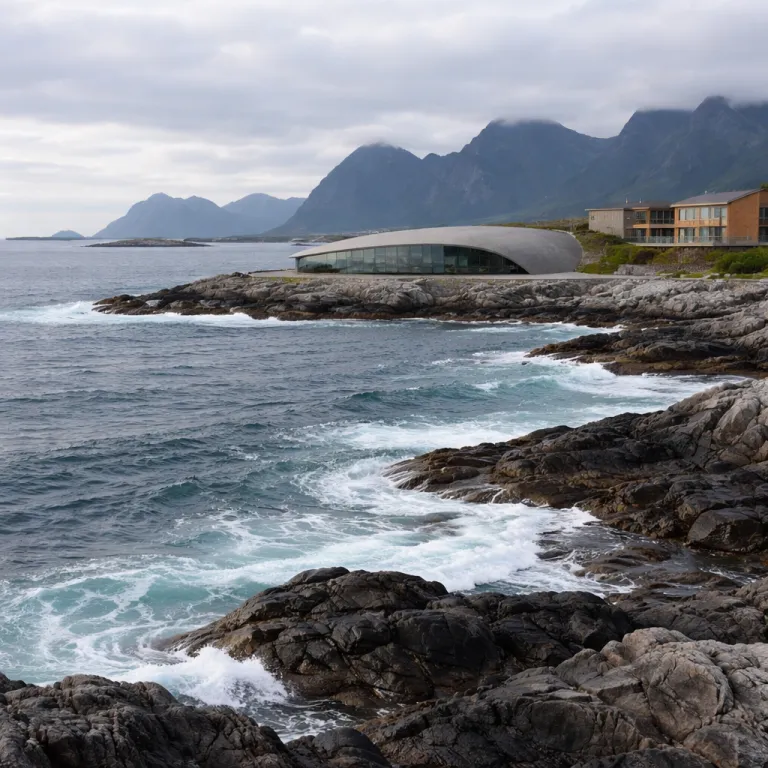
Otolith at SKREI: from cod ear bones to cultural anchor
The new Lofoten Otolith Museum, planned as part of the SKREI coastal heritage centre at Storvågan in Kabelvåg, marks a shift in how high-end travellers read coastal culture in Nordland. Inside the SKREI knowledge centre, the exhibition space located beside the established Lofoten Museum, Espolin Gallery and Lofoten Aquarium turns the humble otolith, or cod ear bone, into a key to a thousand years of fishing history and trade. For guests used to quick photo stops in famous fishing villages, this is a rare chance to slow down and understand how cod from Lofoten, stockfish and the wider fishing economy shaped Norway and the international North Atlantic world.
The Otolith exhibition is operated by Museum Nord, the group that already runs the neighbouring village museum and the older Lofoten collections, and it uses multimedia to show how each fish becomes an archive of climate, migration and work. According to Museum Nord’s SKREI programme, the Otolith galleries are planned as a core part of the new centre, with opening hours expected to follow the wider museum cluster; visitors should always check the latest seasonal schedule and ticket prices directly with Museum Nord before travelling. In a public briefing, a Museum Nord representative described SKREI as “a new way of reading the cod fisheries as both natural history and cultural memory,” underlining how the Otolith project connects science, art and working life along the Lofoten coast.
Unlike a traditional stockfish museum that focuses on racks and recipes, the Lofoten Otolith Museum concept treats fish as data and narrative, not just as food. Visitors stand in a contemporary art style gallery where cod skulls, otolith samples and archival film are presented with the same care as paintings, while curators explain how stockfish from Lofoten exports financed churches, boats and entire village economies. One Museum Nord curator has described the project in internal material as “a way to read the sea like a library of stories,” and early comments from pilot groups highlight how the blend of science, art and fishing history changes their sense of the wider Lofoten fishing villages.
Why Kabelvåg now rivals Reine for luxury itineraries
For years, high-end itineraries in Lofoten have defaulted to Reine and Henningsvær, leaving Kabelvåg as a quieter fishing village with a cathedral and a working harbour. The arrival of the Lofoten Otolith Museum inside SKREI changes that equation, giving solo explorers a cultural reason to base near Storvågan while still accessing the same fjord lines and sea eagle safaris. With Northern Norway facing record visitor numbers and daily caps in the most photographed fishing villages, choosing a hotel near Kabelvåg is now a strategic move rather than a compromise.
Nyvågar Rorbuhotell sits almost next door to the SKREI complex, its traditional wooden rorbu cabins stretching along the shoreline like a living extension of the village museum. Anker Brygge in nearby Svolvær offers a more urban harbour feel, yet guests are still within a short drive of the Museum Nord venues and the new Otolith project, which means it is easy to pair morning gallery time with late summer golden hour on the water. For travellers comparing premium options, Nyvågar is better for immediate access to the Lofoten Museum and stockfish museum style narratives, while Anker Brygge excels at dining, bar life and fast transfers to international flights via Evenes.
From a booking perspective, the Otolith launch also spreads demand across the archipelago, easing pressure on classic Lofoten stockfish hotspots further west. Luxury travellers who read the season based on crowd patterns will notice that Kabelvåg’s 2,000 residents, its Lofoten Cathedral and its quieter harbour give a more grounded sense of Lofoten history than a quick bus stop in Reine. If you value context as much as comfort, planning your work time around SKREI’s opening hours and then choosing a harbour-facing suite in Kabelvåg or Svolvær is now one of the most intelligent ways to experience Northern Norway.
Designing a culture first day around SKREI and your hotel
A well-planned day around the Lofoten Otolith Museum can start from a rorbu terrace at Nyvågar or a pier-side room at Anker Brygge, coffee in hand as fishing boats head out. After a short walk or drive, visitors enter the SKREI complex, where the Lofoten Museum in its traditional wooden buildings sets the scene with boathouses, merchant homes and exhibits on cod from Lofoten trade routes. From there, they move into the Otolith galleries, where each fish ear bone, each film and each interactive station invites them to read the sea as a living archive rather than a backdrop.
Later, it is a short step across to the Espolin Gallery for a different kind of contemporary art, where dramatic canvases of storms and fishing scenes echo what has just been learned about stockfish from Lofoten exports and the risks of winter fishing. A visit to the Lofoten Aquarium rounds out the circuit, connecting live cod, skrei migration data and educational displays that explain why the annual Arctic cod migration distance of around 1,000 kilometres still matters to local jobs. Between venues, it becomes clear how the museum located in Storvågan sits within a functioning fishing village landscape, not an isolated theme park, which is exactly what many luxury travellers now seek.
For those planning multi-night stays, alternating a SKREI day with a sea eagle safari, a guided tour of nearby fishing villages and a quiet evening in a hotel spa creates a balanced rhythm of activity and rest. Any mention of booking resources, including curated advice such as the guide to exceptional value with Norway five star hotel deals on MyNorwayStay, should be read as general travel research rather than an affiliate recommendation. As cultural anchors like the Lofoten Otolith Museum, the village museum network and other Museum Nord projects mature, they are steadily pulling Norwegian luxury travel away from postcard stops and toward places where history, art and fishing still shape daily life.
Sources
Museum Nord SKREI programme; Museum Nord public presentations; Visit Norway regional travel information; Norwegian Fisheries Directorate data; local hotel booking pages for Nyvågar Rorbuhotell and Anker Brygge.