Norway hotel opening 2026: what is genuinely worth booking now
“Norway hotel opening 2026” is more than a marketing slogan; it is a practical filter for travelers deciding which new address is worth a detour. Across Norway, fresh hotel launches range from serious luxury projects to quick refreshes, and the gap between promise and reality can be wide when you finally arrive. If you want a memorable place to stay rather than a construction site with a temporary bar, timing and property selection matter more than ever.
The headline opening for high end guests is Ytri Island Retreat in Træna, a Relais & Châteaux level hideaway where the architecture reads as quietly as the surrounding sea cliffs. Scheduled to welcome its first guests in June 2026 with around 20 keys, this hotel will operate on a short season, but the smartest move is to book for the autumn shoulder when the midnight sun softens and the first northern lights start to tease the horizon. Early summer stays may still feel like a soft opening, while late season dates give the team time to refine service, calibrate suites and settle every floor to ceiling detail.
Official data from Innovation Norway and industry group NHO Reiseliv suggests a projected double digit increase in national room capacity through 2026, yet only a fraction of these new addresses qualify as true luxury. Their latest public reports and press briefings outline several hundred additional rooms in the pipeline, concentrated in Oslo, Bergen, Tromsø and key fjord hubs. For travelers planning a fjord focused itinerary, that means you should open your map, then book fewer hotels but stay longer in each carefully chosen place.
Among the supporting acts to Ytri, Holmsbu Resort on the Oslofjord is the coastal opening that quietly upgrades the capital’s weekend scene. Reopening in spring 2026 after a full renovation confirmed in local planning documents, the resort offers a spa, a waterfront restaurant and terraces that finally give Oslo residents a credible four star escape within easy driving distance. It is not a grand luxury brand statement, but for a relaxed year round stay with sea air and simple fine dining, it earns its spot on a two night itinerary.
In Oslo proper, the expanded Bristol Spa at Hotel Bristol is the most consequential urban wellness project tied to the 2026 wave of launches. Spread across three levels and roughly 1,000 square metres, this centre is the first hotel based spa in the city that can stand beside Stockholm’s better known offerings. If you plan to travel through Oslo at either end of a fjord journey, book at least one night here and treat the spa as a jet lag reset rather than a rushed add on.
Not every new Norwegian opening is about marble and chandeliers; some are about nightlife and energy. Bar 3, the nightclub under Hotel Norge by Scandic in Bergen, brings a sharper late night option to a city that often felt sleepy after dinner. For guests who like one strong cocktail before retreating to their rooms, this bar can turn a practical overnight into a short, memorable stay.
Ytri Island Retreat and the new logic of fjord luxury
Ytri Island Retreat is the 2026 debut that finally answers a long standing question in the Norwegian fjords: where can you stay in true luxury without losing the raw edge of the landscape. Set on a remote island in Helgeland, about 33 nautical miles off the mainland and reachable by scheduled boat from Træna, this hotel will never be a casual stop, which is exactly why it matters for serious once in a decade trips. You travel here with intention, then let the silence and the slow rhythm of the tides reset your internal clock.
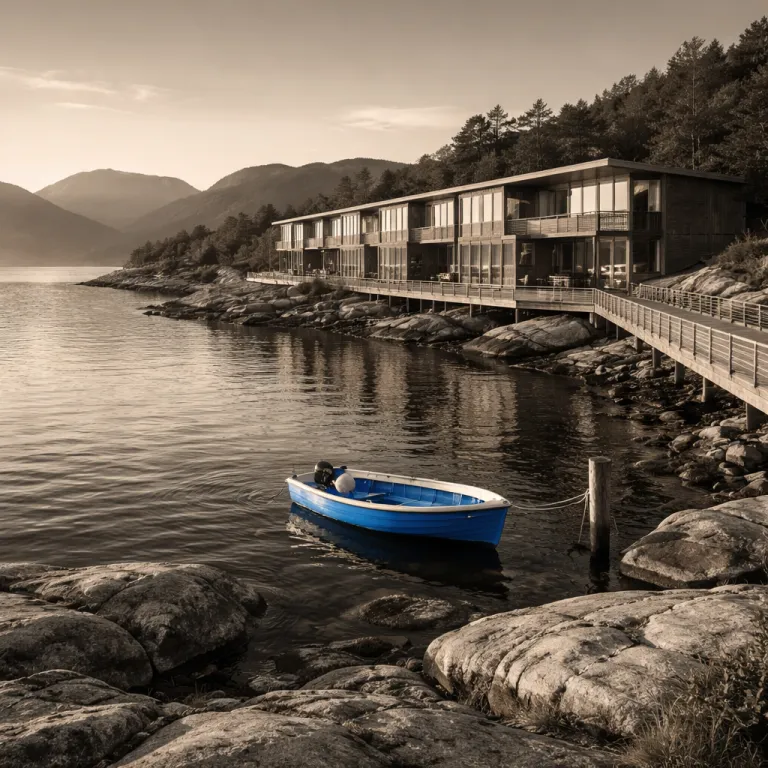
The retreat features low slung volumes by Oslo based studio Vardehaugen that frame the sea rather than fight it, with floor to ceiling glass in key suites that pull the horizon into your bed. Public spaces lean into contemporary design, but the palette stays close to rock, lichen and weathered wood, so the architecture never shouts over the view. This is not about a flashy brand from Tokyo or Mexico parachuted into Norway; it is about a property that feels grown from the same granite as the cliffs outside.
For travelers comparing 2026 fjord openings, Ytri is where you book three nights, not one. The hotel is expected to run a compact season from late May to late September, yet the best value sits in late August and September when the crowds thin, the air sharpens and the first northern lights can appear above the Arctic Circle. Think of it as a year round mindset applied to a short season stay; you come for both storm light and calm, not just a single postcard sunset.
Culinary ambition is central to this new island hotel, with a restaurant that treats the surrounding sea as both pantry and narrative. Expect fine dining that feels grounded rather than fussy, with tasting menus built around locally landed skrei, seaweed and vegetables from tiny coastal farms in Helgeland. When a menu lists ingredients, the team can usually point to the exact inlet or island, which gives dinner the same sense of place as the morning boat ride.
Art matters here too, but not as a trophy collection imported from distant European capitals. Instead, the hotel features works by regional artists who understand the particular blue of Helgeland winter light and the way ice clings to harbour ropes in April. The result is a quiet dialogue between canvas and window, where contemporary design details echo the weather outside rather than compete with it.
If you want a deeper sense of how this opening actually feels on the ground, read our inside Ytri first look on mynorwaystay.com, which walks through arrival, rooms and the restaurant service flow. That piece explains why this hotel will shape how future resorts in remote Norway think about scale, sustainability and guest privacy. For now, the practical advice is simple: book the sea facing suites, expect rates to sit in the upper tier of Norwegian fjord hotels, and treat the stay as the anchor of your entire itinerary.
Elsewhere in the fjords, more traditional properties still earn their place alongside every 2026 headline. Hotel Fretheim in Flåm, with around 120 rooms and a history dating back to the late 1800s, remains a refined fjord retreat, and our detailed review on mynorwaystay.com helps you decide which room category to book for the best balance of view and value. Use Ytri for remoteness and drama, then pair it with a stay at this established hotel to keep your travel days sane.
Oslo, Bodø and the quiet rise of urban and arctic wellness
Stories about new places to stay in Norway are not confined to remote islands; some of the most meaningful shifts are happening in cities and small Arctic hubs. In Oslo, the conversation revolves around how fresh hotel projects can finally match the city’s food and culture scene, which has matured faster than its accommodation stock. Bristol Spa and the upcoming Savoy 1918 are the two names that will change how many visitors plan their first and last nights in the country.
Bristol Spa sits inside a grand old hotel from 1920, yet the wellness concept feels current, with treatment rooms dedicated to hydrotherapy, quiet relaxation and serious massages rather than token saunas. For a refurbishment linked to the 2026 development cycle, it has an outsized impact, because it turns a classic city hotel into a place where you might actually stay two nights instead of one. Think of it as the urban counterpart to fjordside retreats, where you can move from bar to steam room to bed without ever stepping into the rain.
Savoy 1918, opening near Oslo’s theatre district with roughly 70 rooms, enters a crowded field of characterful hotels but still earns attention. The narrative here is about scale and intimacy, with suites that prioritise good beds, strong showers and thoughtful lighting over gimmicks. Where some European properties chase instagrammable lobbies, this address seems set to focus on the quiet luxuries that matter after a late performance or a long flight.
Far north, Bodø is the most interesting Arctic story that is not actually about a single hotel. The Hot & Salty floating sauna village, opened in 2020 and now expanded to several saunas moored in the harbour, has shifted how travelers use the city, turning what used to be a functional ferry stop into a place where you might stay two nights. You move from ice cold sea plunges to wood fired heat, then walk back to your hotel along the waterfront, feeling that the Arctic has finally touched your skin.
Luxury infrastructure in Bodø is still catching up, so visitors should treat the city as a wellness and food stop rather than a pure hotel destination. Choose the best located property you can find, then build your stay around Hot & Salty sessions, harbour walks and simple dinners built on locally sourced cod and skrei. In the context of new Norwegian openings, Bodø is a reminder that sometimes the most memorable experiences sit outside the hotel walls.
Seasonality shapes all these choices, especially if you are chasing the midnight sun or the northern lights. Our guide to Norway’s quietest June light on mynorwaystay.com explains why some urban stays feel better in shoulder season, when the city slows and the sky never quite darkens. Use that lens when you book Oslo or Bodø around any 2026 launch, and you will avoid both cruise ship crowds and winter closures.
For travelers tempted by far flung references in marketing copy, ignore comparisons to hotel icons in Tokyo or to a resort on the east cape of Baja California. Norway’s strength lies in its own Arctic light, its working harbours and its restrained contemporary design, not in mimicking a beach retreat in Mexico. The smartest new openings lean into that identity, offering wellness, food and architecture that feel inseparable from the latitude.
How to read the hype: rebrands, future openings and what to skip
By mid season, press releases about fresh Norwegian hotels start to blur, and anyone planning a fjord trip can struggle to separate real openings from rebrands with fresh paint. The first filter is simple: ask whether the property offers something structurally new, such as added suites, a serious spa or a restaurant with a genuinely distinctive culinary vision. If the changes are mostly soft furnishings and a renamed bar, you are looking at a cosmetic update rather than a reason to reroute your travel.
Villa Nord in Trondheim, slated for a late season 2026 debut with around 30 rooms, is the opening that sits firmly in the “worth waiting for” category. Early plans in local planning documents suggest a compact property with contemporary design, strong connections to the city’s food scene and a focus on ingredients from Trøndelag’s farms and coastline. This is the kind of launch where you hold off booking your central Trondheim stay until dates are firm, then commit to two or three nights once the reservation system goes live.
Other new names will not justify a detour, especially if they sit in already saturated markets without adding fresh experiences. A generic hotel near an airport, even under a global brand, rarely beats an established independent property that already understands local weather, ferry schedules and guest rhythms. When in doubt, prioritise addresses where the restaurant, spa or art collection could stand alone as a reason to visit, not just as amenities for overnight guests.
Marketing language sometimes leans on glamorous references, from the legendary Orient Express to distant European hotels in Paris or Rome, or even to a desert resort on the east cape. These comparisons can be fun, but they do not help you evaluate a 2026 Norwegian opening in practical terms. Instead, look for concrete details such as how many new hotels in a region share the same small harbour, or whether the property will operate year round or close when the first ice forms.
For those who enjoy a drink, pay attention to how each hotel bar is described, because it often reveals the property’s true personality. A lobby bar that doubles as a co working space will feel very different from a dim, timber lined room where locals actually gather in winter. In a strong new opening, the bar, restaurant and lounge should feel like extensions of the surrounding community, not just holding areas for check in and check out.
One more practical lens for reading launch hype is to examine how hotels talk about sustainability and locally sourced materials. A serious property will specify which fisheries, farms or forests supply its ingredients and building timber, rather than hiding behind vague green language. When a hotel will open with clear commitments to local hiring, reduced energy use and thoughtful transport links, you can expect a more grounded, long term stay experience.
Official guidance for visitors this season from Visit Norway and regional tourism boards is refreshingly direct: “Book accommodations early due to high demand,” “Explore local attractions and natural landscapes,” and “Check weather forecasts for appropriate clothing.” Those three lines double as a checklist for any 2026 hotel you are considering. If a property makes it hard to book, ignores its surroundings or glosses over weather realities, it is not ready for your time or your money.
FAQ: planning around norway hotel opening 2026
When should I book Ytri Island Retreat for a fjord focused trip ?
For Ytri Island Retreat, the sweet spot is late August into September, when the operation has settled after the initial rush and the first northern lights can appear. Booking during this window lets you experience the full norway hotel opening 2026 promise without the teething issues that sometimes mark the earliest weeks. Aim for at least three nights to justify the travel time to Træna.
Is Oslo now worth more than a one night stop before or after the fjords ?
With Bristol Spa fully open and Savoy 1918 entering the scene, Oslo finally supports a two night stay for visitors who value wellness and food. The city’s best hotels now pair serious spas, strong restaurants and characterful bars with easy access to museums and waterfront walks. In the context of norway hotel opening 2026 developments, Oslo has moved from transit point to genuine city break.
How many new hotel rooms are being added across Norway this season ?
Industry figures from NHO Reiseliv and Visit Norway indicate that several hundred new hotel rooms will enter the Norwegian market this season, spread across cities, fjord towns and remote coastal communities. Only a portion of these qualify as luxury, but they still change availability patterns in key regions. For travelers tracking norway hotel opening 2026 options, this means more choice but also more need to read the fine print.
Is Bodø now a destination in its own right or just a transfer hub ?
Bodø has evolved into a short break destination thanks to the Hot & Salty floating sauna village and a growing food scene. While luxury hotel infrastructure is still developing, the combination of Arctic wellness, harbour walks and easy access to coastal excursions justifies at least two nights. In the wider norway hotel opening 2026 landscape, Bodø represents how experiences can outpace hotels.
How do I avoid booking a rebranded property that is not truly new ?
Look for tangible changes such as added suites, a new spa, or a restaurant with a clearly defined culinary concept, rather than just refreshed décor. Serious norway hotel opening 2026 projects will share detailed information about architecture, locally sourced materials and service philosophy. If the announcement focuses only on a new name and colour palette, treat it as a rebrand, not a reason to reroute your itinerary.