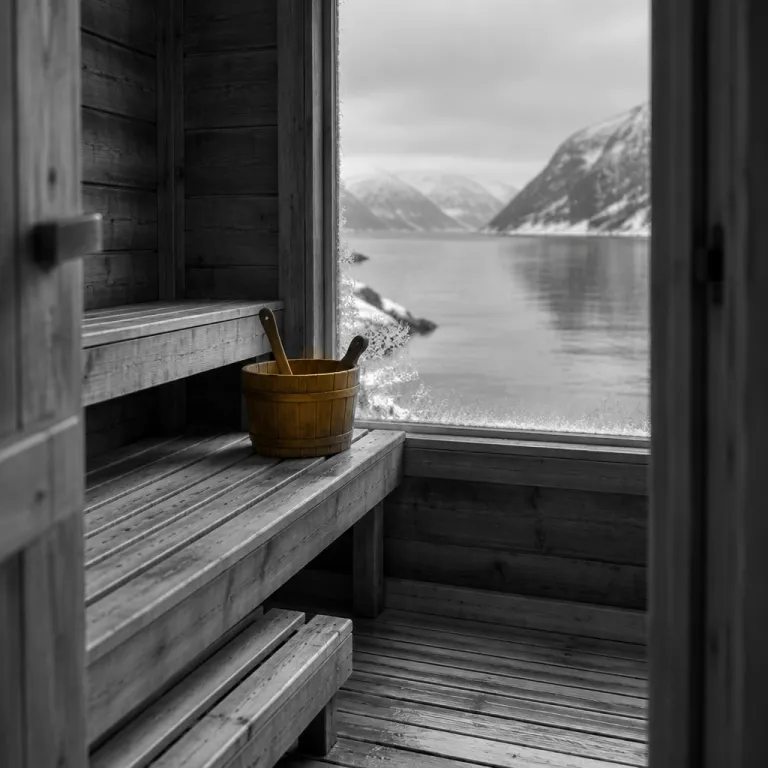
Norwegian sauna bathing in autumn for couples
Norwegian sauna bathing in autumn is not a spa extra; it is the season when the ritual finally matches the landscape. As air cools and fjord water sharpens to 6–12°C in October and November, the classic cycle of heat, cold water immersion and quiet rest becomes a deeper experience that couples remember long after the trip. A well-run sauna session in Norway feels intimate yet shared, because the rhythm of heat and cold creates a quiet conversation without words.
The structure is simple: three phases repeated over one to two hours. You warm slowly in a wood-fired sauna or high-quality electric cabin, usually heated to around 80–95°C, until the heat hits the wall and your skin starts to tingle. Then you step outside and meet the cold with a measured plunge into fjord water or sea. After that comes stillness wrapped in a robe, where experiences feel layered; you notice your breathing, the late autumn light, and the way winter seems to wait just beyond the shoreline.
This is not a beauty treatment but a sauna ritual rooted in Norwegian sauna culture and everyday life. In summer, water can feel almost gentle, but in autumn the contrast between dry heat, cold water and the first hints of extreme cold turns each plunge into a clear starting point for reset. Couples who plan their Norway stay around these experiences often say the ritual becomes the perfect place to talk slowly, watch the sky darken and let the rest of the trip arrange itself around these quiet hours, especially when they combine it with other slow experiences featured on My Norway Stay.
From oslo to the fjord edge: what serious sauna properties offer
Urban hotels in Oslo and coastal retreats along any fjord now compete to offer what they call a Norwegian sauna experience, yet only some properties treat it as more than a token amenity. The best luxury and premium stays in Norway build their spa design around direct access to cold water, whether that means a ladder into fjord water, a sheltered sea pool or a safe platform for ice bathing once winter settles in. For couples planning an autumn escape, this direct line from saunas to water matters more than a long treatment menu.
A serious property will pair a powerful heat source with thoughtful circulation: wood-fired stoves or high-quality electric heaters that create even heat, benches at different levels and doors that do not leak warmth every time someone moves. From there, you should be able to step outside and reach cold water within a few seconds, because the heat–cold contrast works best when the body does not cool slowly in the wind. Look for clear information on opening hours, how many hours a standard session lasts—most hotels suggest 60–120 minutes—and whether private saunas can be reserved for couples who prefer a quieter experience.
Equally important is what happens between plunges, when you move from cold plunge to rest and back to the sauna ritual. Properties that understand Norwegian sauna bathing in autumn create calm lounges with dim light, blankets and sometimes a small restaurant menu focused on light dishes and good hydration rather than heavy meals. In Oslo, for example, The Thief and Amerikalinjen both frame their wellness areas around this slower rhythm, while fjord hotels such as Hotel Union Geiranger and Solstrand Hotel & Bad near Bergen build the same pattern into their spa programs. For a deeper seasonal perspective on where to stay, our guide to Norwegian spa hotels made for autumn on My Norway Stay shows how different regions stage these experiences across the country.
Floating saunas, fjord plunges and the autumn light
Along the coast and inside the long arms of each fjord, floating saunas have changed how travelers meet the water in autumn. You step aboard a compact structure where the sauna room faces the fjord water through large windows, so the heat and the view arrive together and the outside world seems to skip content for a while. When the door opens and the first breath of cold air hits the wall, couples often hesitate for a second before walking down the ladder into cold water that feels far removed from any memory of summer water.
These floating experiences feel different from land-based spa facilities, because the platform moves slightly underfoot and the horizon stays close. In late autumn, when daylight shortens and winter approaches, the combination of Norwegian sauna heat, dark water and low clouds can feel almost cinematic during a two- or three-hour booking. In Oslo, KOK and GreenBoats run popular fjord saunas, while Pust in Tromsø and Bodø offers glass-fronted cabins further north. Many sauna operators now offer both shared sessions and private saunas on these rafts, giving couples the choice between quiet intimacy and the low murmur of other guests.
Hotels that partner with reputable sauna operators tend to manage logistics well, from clear starting point instructions to towels and robes waiting in your room afterwards. Some properties frame the ritual as part of a wider journey into Norwegian culture, pairing evening saunas with regional tasting menus or guided walks that explain how local communities have used the fjord for generations. If you want to understand why dusk matters so much to this ritual, our feature on the quiet pleasure of a Norwegian floating sauna at dusk on My Norway Stay explores how light, water and heat shape the mood of these sessions.
Autumn rituals for two: pacing, safety and quiet luxury
For couples, Norwegian sauna bathing in autumn works best when the pace is unhurried and the evening is left mostly empty around it. Plan a session that starts in late afternoon, when there is still enough light for a photo or two by the water before darkness folds over the fjord. Many luxury hotels in Norway will help you align sauna opening hours with dinner reservations, so you can move from your last cold plunge to a warm shower and then to the restaurant without rushing.
Safety and comfort matter, especially if one of you is new to cold water or worried about extreme cold. Begin with short immersions, perhaps only to the knees or waist, and treat the first full cold plunge as an option rather than a test, because the goal is to leave the body feeling restored rather than shocked. Good sauna masters or trained staff will remind you to listen to your own limits, avoid alcohol before sessions and step out of the heat if your heart rate feels uncomfortable or your breathing becomes shallow; the Norwegian Directorate of Health and local Red Cross groups give similar advice for cold-water swimming.
Properties that respect this ritual usually brief guests clearly, explaining how long to stay in the sauna, how to use cold water safely and when to rest between rounds. Many follow common Nordic guidance of 8–15 minutes in the heat, a short dip and at least the same time resting before the next round. Some weave the practice into a broader cultural narrative, connecting the rhythm of heat, cold and rest with seasonal life in coastal communities and with indigenous perspectives on land and water, themes we explore in depth in our article on how Norway’s northern hotels weave Sámi culture into the stay on My Norway Stay. For couples who value quiet luxury over spectacle, these thoughtful touches turn a simple series of saunas and plunges into one of the best shared experiences of the trip.
FAQ
How long should an autumn sauna session in Norway last ?
Most couples find that one and a half to two hours is ideal for Norwegian sauna bathing in autumn. That allows time for three full cycles of heat, cold water and rest without feeling rushed. Luxury hotels may also offer longer private sauna bookings of up to three hours, but the key is to finish while you still feel refreshed.
Is cold fjord water safe for first time bathers in autumn ?
Cold fjord water in autumn is safe for healthy adults who enter gradually and respect their limits. Start with short immersions, keep moving your hands and feet and exit the water as soon as breathing feels tight or uncomfortable. Guests with heart conditions or circulation issues should speak with a doctor before trying any cold plunge or ice-bathing style experience, and follow local safety notices posted by municipalities or harbor authorities.
What should couples wear and bring to a norwegian sauna experience ?
Most Norwegian sauna facilities provide towels, sometimes robes and often drinking water, while swimwear is standard unless you book a fully private session. Bring a warm hat for the outdoor deck, slip-resistant sandals and a dry layer to wear between plunges, especially in late autumn or early winter. If you plan to take a photo, choose a phone lanyard or waterproof case so your hands stay free on wet steps.
How does an autumn sauna ritual differ from a regular spa visit ?
An autumn sauna ritual in Norway focuses on the repeated contrast between intense heat and naturally cold water, rather than on treatments like massages or facials. You move between the sauna, the fjord or sea and a quiet rest area, letting the body adjust slowly to each phase. The experience feels more elemental and often more shared, especially when the dark evening and surrounding landscape become part of the session.
Can I book norwegian sauna experiences if I am staying in Oslo only ?
Yes, many premium hotels in Oslo either host serious saunas on site or work with nearby sauna operators on the harbor. You can usually book shared sessions or private saunas for couples, often timed around sunset in autumn. For a deeper fjord setting you may still want to add one or two nights outside the city, but an Oslo base is a practical starting point, and our wider My Norway Stay guides can help you choose where to go next.