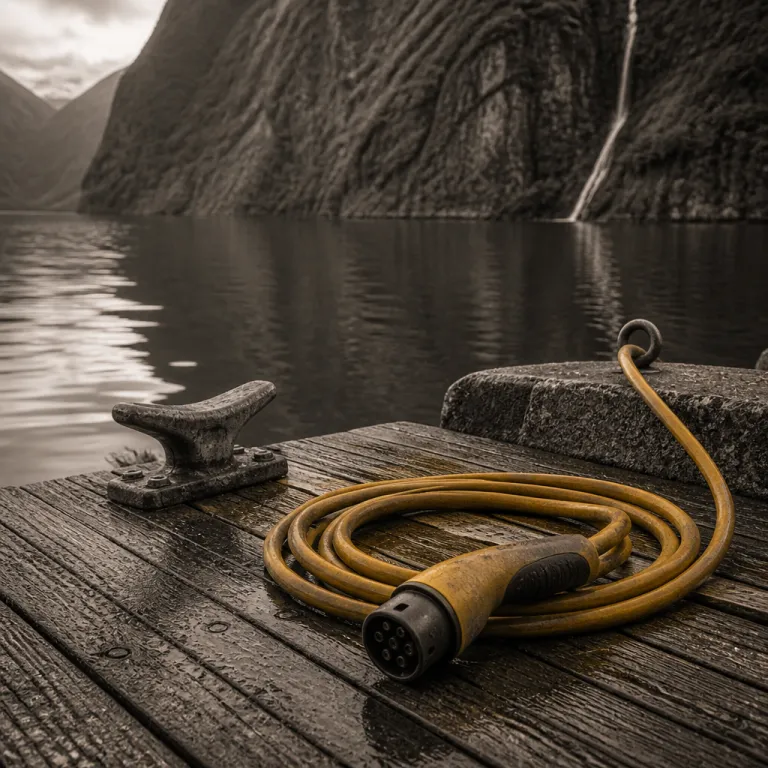
In western Norway, the shift to a Geirangerfjord zero emission cruise is quietly rewriting what luxury travel means. As the Norwegian Parliament tightens rules for ships in UNESCO heritage fjords, the focus moves from volume tourism to rarefied, low impact experiences that feel both intimate and precise. For couples planning a fjord escape, this new era of silent fjord voyages pairs naturally with a curated selection of premium hotels that understand discretion, design and sustainability.
The regulations now require small passenger ships in the West Norwegian UNESCO heritage fjords, including Geirangerfjord and Nærøyfjord, to operate with zero emissions while inside these protected waters. This means that every fjord cruise in these zones must rely on battery power or equivalent zero emission technology rather than conventional fuel. For travellers, the result is a geirangerfjord zero emission cruise that feels less like mass market sightseeing and more like a slow, cinematic glide through steep rock walls and hanging waterfalls.
Geiranger itself sits at the head of the Geirangerfjord, a narrow Norwegian fjord framed by high cliffs and snow streaked peaks. From the quay, you now see a new generation of vessels, with the Norwegian built hybrid catamaran Geirangerfjord 3 among the most talked about ships on the route. This ship switches to full electric power deep inside the fjord, turning what used to be a noisy cruise into a near silent fjord passage where you hear gulls, waterfalls and the soft slap of water against the hull.
For couples used to traditional cruise lines, the difference is immediate and almost disarming. On a geirangerfjord zero emission cruise, the absence of engine roar and exhaust emissions changes how you read the landscape, because the fjord becomes an acoustic as well as visual experience. You stand on deck and feel the ship move, yet the only news your senses register is the echo of waterfalls and the low murmur of other passenger ships gliding past on battery power.
The UNESCO designation for the West Norwegian Fjords, often referred to as the heritage fjords, covers both Geirangerfjord and Nærøyfjord. These fjords are managed under strict rules set by the Norwegian Parliament and enforced by the Norwegian Maritime Authority, with a clear objective to protect their outstanding natural heritage. Zero emission requirements for cruise ships and smaller vessels are central to this policy, ensuring that the fjords Geirangerfjord area remains pristine for future travellers.
On board the newest vessels, you feel how technology underpins this serenity without dominating it. Battery banks, shore power connections and advanced navigation systems work quietly in the background, allowing the ship to maintain zero emissions while inside the UNESCO heritage zone. The result is a fjord cruise that feels both contemporary and deeply respectful, aligning with a broader Norwegian maritime tradition of engineering that serves the landscape rather than overwhelming it.
Havila Voyages has become a reference point in this transition, particularly for travellers considering a longer coastal cruise beyond Geiranger. Its ships on the Bergen to Kirkenes route, such as Havila Polaris, combine liquefied biogas with large battery packs to cut CO2 emissions dramatically compared with older cruise ships. While these vessels are not fully zero emission at all times, they can operate with zero emissions in sensitive areas, including segments of the Norwegian fjords where regulations and local expectations are highest.
This shift affects the classic Hurtigruten style coastal experience as well, because both traditional and newer cruise lines must adapt to the same Norwegian maritime regulations. When a ship enters a Norwegian fjord that is part of the UNESCO heritage fjords, it must now rely on battery power or equivalent technology to meet zero emission requirements. For guests, that means more stretches of silent fjord sailing, fewer fumes on deck and a stronger sense that their cruise aligns with the values of the communities they visit.
From a sensory perspective, the change is profound and surprisingly luxurious. On a geirangerfjord zero emission cruise, you no longer need to raise your voice over engines when the ship noses close to the Seven Sisters waterfall in Geiranger. Instead, you hear the water hammering the fjord surface, the creak of the ship’s hull and the occasional call of birds circling above the cliffs, which makes the fjord cruise feel almost private even when other vessels share the same stretch of water.
For many couples, this quiet is the new definition of premium. The absence of exhaust emissions and the reduced vibration from engines allow you to linger on deck for hours, wrapped in blankets, watching the light shift along the Norwegian fjord walls. The silent fjord environment also heightens small details, from the smell of wet rock after a rain shower to the way low clouds cling to the ridges above Geiranger.
These maritime changes are part of a broader policy shift that includes a new tourist tax, set at three percent and ring fenced for sustainability measures. Revenues are intended for trail maintenance, eco transport and public facilities in key destinations such as Geiranger and other Norwegian fjords. For travellers booking premium hotels and cruises, this means that a portion of what you pay will support the very heritage you have come to experience, reinforcing the link between luxury and responsibility.
Norway is positioning its heritage fjords as a premium, protected experience rather than a cheap nature backdrop. Compared with Iceland, New Zealand or Patagonia, the West Norwegian fjords now offer a clearer framework for zero emission operations, especially in areas like Geirangerfjord Nærøyfjord where UNESCO heritage status drives strict rules. For discerning guests, that regulatory clarity translates into confidence that their fjord cruise or geirangerfjord zero emission cruise aligns with long term preservation goals.
Against this backdrop, hotel selection becomes part of the same sustainability narrative. In Geiranger, Hotel Union Geiranger stands as the anchor property for travellers who want immediate access to zero emission ships while staying in a full service luxury environment. The hotel sits above the village with wide views over the Norwegian fjord, allowing you to watch vessels slide in and out of the harbour while the water remains strikingly clear thanks to reduced emissions.
Rooms facing the fjord offer a front row seat to the new era of cruise ships. From your balcony, you can see passenger ships and smaller vessels connect to shore power at the quay, cutting local emissions to zero while docked. In the early morning, when the first fjord cruise departs, the ship glides away almost silently, leaving only a widening wake that slowly fades against the deep blue of the fjord.
The spa and pool areas at Hotel Union Geiranger are designed for lingering between sailings. Many couples now structure their days around a morning geirangerfjord zero emission cruise, followed by slow afternoons in the hotel’s wellness spaces, watching the light move across the fjords Geirangerfjord landscape. This rhythm suits the new, quieter maritime environment, where the drama comes from shifting weather and waterfalls rather than the arrival of large, noisy cruise ships.
Service at the property reflects a clear understanding of how regulations shape guest expectations. Staff can explain which ships operate with zero emissions inside the heritage fjords, how shore power works in the local harbour and what the Norwegian Maritime Authority requires from cruise lines in this region. That level of detail helps guests read the difference between older vessels and the newest zero emission ships when planning their time on the water.
Beyond Geiranger, other West Norwegian fjord villages are adjusting in similar ways. Properties along the Geirangerfjord Nærøyfjord axis now highlight their proximity to silent fjord routes and their partnerships with operators that run zero emission fjord cruise departures. For couples, this means you can choose hotels where the front desk can book both premium rooms and specific vessels that meet the strictest zero emissions criteria.
When comparing Norway with Iceland, New Zealand or Patagonia, the regulatory backbone becomes a key differentiator. In the West Norwegian heritage fjords, the Norwegian Parliament has set clear timelines and standards for ships, cruise lines and passenger ships, and the Norwegian Maritime Authority enforces these rules consistently. This gives travellers confidence that a geirangerfjord zero emission cruise is not a marketing phrase but a regulated reality, with measurable reductions in emissions and a tangible impact on the sensory quality of the fjord.
For couples planning a romantic trip, the practical question is how to weave these maritime changes into a coherent itinerary. One approach is to anchor your stay at Hotel Union Geiranger or a comparable property in the West Norwegian fjords, then build around one or two carefully chosen fjord cruise experiences on vessels that operate with zero emissions inside the UNESCO heritage zones. This allows you to balance time on the water with slow mornings, long dinners and spa sessions that make the most of the hotel’s position above the fjord.
When selecting cruises, pay attention to how operators describe their ships and power systems. Look for clear references to battery operation, shore power connections in Geiranger and other Norwegian fjord ports, and compliance with Norwegian Maritime Authority rules for the heritage fjords. If the information is not obvious, read the operator’s sustainability section or recent news updates, which often detail how their vessels achieve zero emission performance in sensitive areas.
Havila Voyages is a strong option for travellers who want to combine a geirangerfjord zero emission cruise segment with a longer coastal journey. Its ships are designed to run on battery power for extended periods, enabling zero emissions in the most fragile Norwegian fjords while still offering the comfort level expected from premium cruise lines. For couples, this means you can move from the intimacy of Geiranger to the open coast without stepping away from the sustainability standards that shaped your initial fjord experience.
As you plan, remember that not all ships in Norway are equal in terms of emissions. Some older cruise ships may still be allowed in certain areas but with stricter limits, while the most sensitive UNESCO heritage fjords demand vessels capable of operating with zero emission technology. Choosing newer vessels and operators that exceed the minimum requirements is one of the most effective ways to align your trip with the environmental goals set by the Norwegian Parliament and local communities.
The sensory rewards of this approach are significant. On a silent fjord passage, you can stand on deck with a glass of wine and hear the low rumble of distant waterfalls rather than the constant hum of engines, which changes how you remember the Norwegian fjords long after you return home. In the evening, back at your hotel, you may find yourself opening the window just to listen to the quiet, punctuated only by the occasional sound of a ship switching to shore power in the harbour below.
For many couples, this is where Norway now outpaces Iceland, New Zealand and Patagonia in the sustainability conversation. Those destinations offer spectacular landscapes, but the West Norwegian heritage fjords combine comparable scenery with a clear, enforceable framework for zero emissions from ships and passenger vessels. The result is a travel experience where luxury is measured not only in thread counts and wine lists, but in the purity of the air, the clarity of the water and the rare privilege of hearing a fjord breathe without mechanical interference.
As regulations continue to tighten, expect more cruise lines to invest in vessels that can meet or exceed zero emission standards in the UNESCO heritage fjords. This will likely reduce the number of older ships in places like Geiranger, concentrating traffic among operators that treat the fjords Geirangerfjord region as a long term asset rather than a short term opportunity. For travellers, that means fewer but better options, with each geirangerfjord zero emission cruise or fjord cruise departure feeling more curated and less crowded.
Ultimately, planning a luxury trip to Geiranger and the wider West Norwegian fjords now involves a different set of questions. You will want to know not only which hotel has the best view, but which ships connect to shore power, which vessels run on battery power in the heritage fjords and how your chosen cruise lines report on their emissions. By asking these questions and choosing accordingly, you help ensure that the silent fjord you experience remains just as pristine for the next couple standing on the same deck, listening to the same waterfalls, under the same steep Norwegian cliffs.
Further reading
- Visit Norway – official tourism information on Norwegian fjords and sustainable travel
- UNESCO World Heritage Centre – West Norwegian Fjords: Geirangerfjord and Nærøyfjord
- Norwegian Maritime Authority – regulations for zero emission operations in heritage fjords