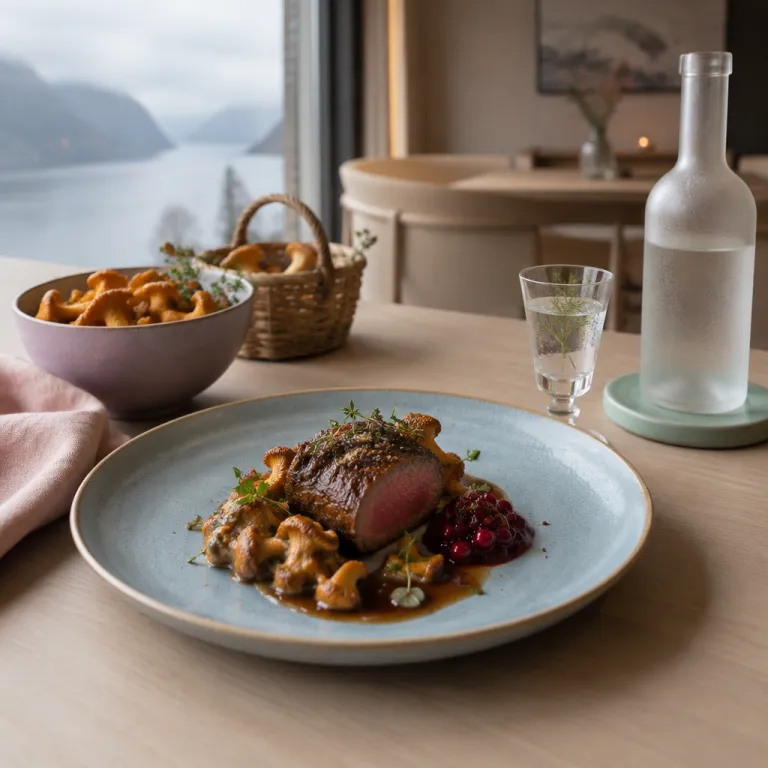
The autumn plate: when norway hotel kitchens turn toward the forest
Norway’s autumn hotel dining season begins when menus lean into the forest. In the best hotel and hotell kitchens, chefs pivot from bright summer seafood toward game, mushrooms and root vegetables that match the darker evenings. If you read a menu in early autumn, you will often see elk, reindeer and grouse framed by local food traditions rather than heavy sauces.
This is the time of year when fresh ingredients mean something different in Norway. Instead of just fjord shrimp and cod, autumn hotel restaurants highlight slow braises, roasted root vegetables and preserved fish that carry the taste of earlier in the year. The main content of the plate becomes about contrast: a slice of rich game next to pickled berries, or roasted celeriac beside a sharp, cold herb emulsion.
Serious hotel restaurants use seasonal ingredients as a statement of intent. They work with hunters, foragers and small farms to secure the best local game and mushrooms, then build dining experiences that feel anchored to the landscape. At Clarion Hotel Stavanger, for example, chef René Fagerhøi has described October as “the month when the forest finally walks into the dining room,” a line widely quoted in local food media that captures how closely the kitchen follows the rhythm of the year.
From fjord to forest: shifting from summer seafood to autumn depth
Norwegian hotel dining feels different once the first cold wind moves down the fjord. Where summer tables lean on raw shellfish and grilled fish, the best hotel kitchens now balance the sea with forest flavours and deeper sauces. If you read a wine list carefully, you will notice more structured reds and richer restaurant wine pairings designed for game and slow cooked dishes.
In coastal cities such as Stavanger and nearby Sandnes, luxury hotell properties use autumn to showcase food culture that goes beyond the harbour. A restaurant that served light seafood in July may now present grouse with chanterelles, or lamb shoulder with root vegetables and fermented cabbage, showing how seasonal ingredients reshape the same dining room. For a deeper comparison between the seafood high season and this forest driven period, look at this guide to where Norway’s hotel tables hit their stride in high summer.
Guests who visit Norway for work often extend their stay longer in autumn because the food experiences feel more layered. A single day might start with meetings, move into a late afternoon walk and end with a hotel restaurant dinner built around local food and good food pairings. When the kitchen talks openly about fresh ingredients, preserved fish and the best local producers, you can usually skip main tourist traps and focus on properties that treat food as a serious craft.
Reading a menu: how to spot a serious autumn kitchen
Autumn hotel dining rewards guests who read menus with a critical eye. A serious restaurant will name local producers, specify fresh ingredients and explain how seasonal ingredients shape each plate. When you see vague phrases without any mention of local food or root vegetables, you are probably looking at a scenic dining room rather than a culinary destination.
Start with the structure of the main content on the menu. Are there multiple game options, at least one vegetarian plate built around root vegetables and mushrooms, and desserts that use berries or preserved fruit from earlier in the year? If the answer is yes, you are likely in one of the best local hotel restaurants for autumn experiences rather than a generic hotell dining offer.
Drink lists tell their own story about Norwegian hotel restaurants in this season. Look for aquavit flights, Norwegian cider and restaurant wine pairings that reference specific vineyards or producers instead of generic regions. In Stavanger, for instance, a sommelier might pour a structured Barolo beside reindeer from a named hunter, then follow with a local cider for dessert, turning a work trip into a photo worthy evening you remember long after the day’s meetings.
Bleisure in Stavanger and Sandnes: extending the work trip for the table
Executives flying into Stavanger or Sandnes for meetings often underestimate how strong the autumn food culture has become. The region’s energy industry brings a steady flow of business travellers, and the best hotel teams have learned that good food can be the reason guests stay longer into the weekend. When you plan your visit, treat the restaurant as seriously as the meeting room and you will usually be rewarded.
Look for hotell properties where the chef appears in the dining room to explain ingredients and seasonal ingredients personally. In Stavanger, several luxury hotel restaurants build tasting menus around local food, pairing game and root vegetables with aquavit and carefully chosen restaurant wine from the cellar. A well timed business dinner can turn into one of those autumn experiences that you still talk about a year later, especially if someone at the table knows how to order from the game section.
Bleisure travellers should also think about recovery and rhythm. After a long day of negotiations, a quiet hotel dining room with candlelight, good food and fresh ingredients can reset your energy more effectively than another bar. For a complementary way to unwind, consider pairing your gastronomic plans with a stay at one of the Norwegian spa hotels highlighted in this guide to cold water and long nights in autumn, then return to the table with a clearer head.
Plates from the land: root vegetables, preserves and the cellar
Autumn is where the country’s preservation culture becomes visible on the plate. Chefs lean on pickled berries, fermented cabbage and cured fish to add brightness to slow cooked game and roasted root vegetables. When these preserved flavours meet fresh ingredients from the last harvest, the result is a kind of culinary time travel across the year.
In many hotel restaurants, the dining room becomes a stage for this food culture. You might see photo worthy plates of venison with beets and blackcurrant, or celeriac baked in salt and carved at the table, each dish telling a story about local food and the best local producers. Guests who read menus closely will notice how often the same ingredients reappear in different forms during the day, from a light lunch to a more elaborate evening dining sequence.
Drinks matter just as much as the food in these experiences. Aquavit, with its caraway and dill notes, stands beside restaurant wine as an equal partner for game and rich sauces. When you visit Norway in autumn and choose a hotel or hotell that treats its cellar as seriously as its kitchen, you can safely skip main tourist restaurants and focus on properties where the season’s dining truly comes into its own.
FAQ
What defines norway autumn hotel dining compared with other seasons ?
Norway autumn hotel dining focuses on game, mushrooms, root vegetables and preserved fish rather than the lighter seafood driven plates of summer. Menus highlight seasonal ingredients such as elk, reindeer, grouse and chanterelles, often paired with pickled berries and fermented cabbage. The overall feeling is warmer, deeper and better suited to long evenings in the dining room.
How can I tell if a hotel restaurant takes autumn ingredients seriously ?
A serious hotel or hotell kitchen will name local producers on the menu and explain how fresh ingredients change through the year. You should see clear references to local food, root vegetables, mushrooms and game, not just generic descriptions. Staff in the dining room will usually be able to talk confidently about seasonal ingredients and suggest restaurant wine or aquavit pairings.
Is Stavanger a good base for autumn food experiences in Norway ?
Stavanger is an excellent base for norway autumn hotel dining because it combines a strong restaurant scene with easy access to both sea and farmland. Many luxury hotels in Stavanger and nearby Sandnes work closely with hunters, foragers and farmers to secure the best local produce. Business travellers often extend their stay longer here to enjoy good food and thoughtful tasting menus built around the season.
What drinks pair best with Norwegian autumn hotel menus ?
Aquavit is a classic partner for game and preserved fish in Norway, bringing spice and herbal notes that match rich sauces. Many hotel restaurants also curate restaurant wine lists with structured reds and textured whites that work well with mushrooms and root vegetables. In some regions, Norwegian cider offers a fresh, local alternative that fits the autumn mood.
Should I book restaurant tables in Norwegian hotels in advance for autumn ?
Booking ahead is strongly recommended for norway autumn hotel dining, especially in smaller properties and in cities such as Stavanger. Autumn is a popular time for both business events and leisure visits, so the best hotel restaurants often fill their dining room quickly. Reserving a table when you book your stay helps you avoid disappointment and secure the experiences you want.