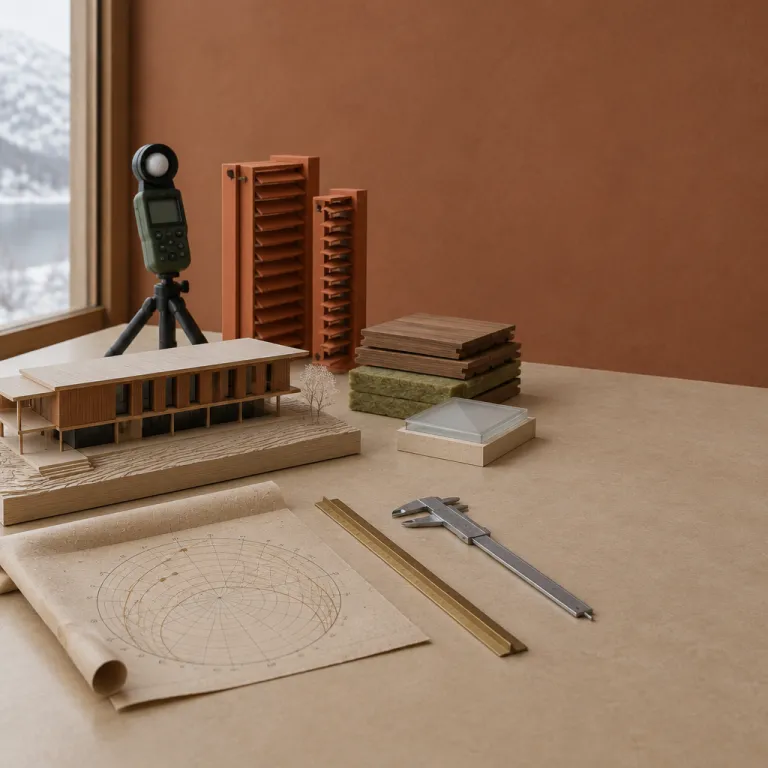
Norway hotel design in winter light
Norway hotel design winter light is not a slogan, it is a problem architects wrestle with every day. In the far north of Norway, where winter brings long darkness and brief twilight, every serious hotel project starts with a study of how low sun and reflected snow will move through the site. The best hotels in Norway treat the arctic night as a material in itself, shaping each stay so guests feel both protected from the elements and connected to them.
In the arctic circle, a hotel that ignores winter light will feel flat, no matter how generous the hotel offers or how dramatic the surrounding glacier carved landscape. Architects working on design forward hotels lodges in northern Norway talk about three kinds of light during winter ; the faint southern glow at midday, the reflected brightness from snow covered ground, and the sudden flare of aurora borealis across the sky. When you book hotels Norway for a winter stay, you are really choosing how you want to experience those three layers of light from your room, the lounge, and the path between sauna and snow.
For guests, the difference is immediate when they check in after a long northern flight and step from snow into a lobby that has been tuned to winter. A well considered norway hotel design winter light strategy uses warm timber, low level lamps, and framed views so the first experience is calm rather than clinical. You feel the arctic outside, but the interior design and the way the northern lights might be glimpsed from a corner window make the lodge feel like a deliberate retreat rather than a generic hotel.
Materials, glass, and the way winter light reads on surfaces
Norwegian architects know that in winter, materials must work harder because light is scarce and rakes across every surface. In a well designed hotel in Norway, wood, stone, and glass are chosen not only for durability in snow and arctic wind, but for how they catch the low northern sun and the cool shimmer of aurora at night. If you care about norway hotel design winter light, pay attention to how the lobby floor, the headboard, and even the bathroom tiles respond to the faint daylight when you first open the curtains.
Properties such as Juvet Landscape Hotel in Valldal and Manshausen in Steigen show how raw timber and exposed rock can feel both minimal and deeply warm in winter. Their cabins and lodges are oriented so that snow covered boulders, river mist, and northern lights become part of the interior composition, not just a backdrop. When you compare hotels lodges across Norway, you will notice that the most thoughtful design uses glass sparingly but precisely, often with deep frames that control glare from snow while still letting guests watch northern skies from bed.
Glass igloos and each individual glass igloo style cabin in the arctic circle take this idea to an extreme, wrapping guests in transparent shells so they can watch northern lights and aurora borealis without stepping into the snow. Yet even in these glass igloos, the best norway hotel design winter light solutions rely on heavy curtains, dark wool textiles, and carefully dimmed lamps to avoid turning the room into a reflective mirror at night. For a deeper dive into how wool, stone, and driftwood define norwegian hotel design in winter, see this guide on the materials that define Norwegian hotel design, which explains why certain textures feel especially right when the landscape is snow covered.
Framing aurora and balancing blackout with view
Designing a hotel in northern Norway during winter is partly about sleep, and partly about not wanting to miss the sky. Guests arrive hoping to watch northern lights, yet they also need proper rest after long days in the snow and on the road. The most successful norway hotel design winter light concepts resolve this tension with layered blackout systems, angled glazing, and subtle alerts that let you enjoy aurora without sacrificing recovery.
In the lofoten islands, properties such as Svinøya Rorbuer show how traditional fishermen’s cabins can be reinterpreted as premium lodges that frame the northern lights over the harbour. Here, small windows, thick walls, and low ceilings create a cocoon, while carefully placed skylights and corner glazing let guests watch northern skies when the aurora appears. When you check availability for hotels Norway in Lofoten or around the borealis observatory in Troms, look for room descriptions that mention skylights, corner windows, or glass igloo style suites, because these details shape your entire experience of the arctic night.
Further east, Snowhotel Kirkenes and other snow hotel and ice hotel concepts near the Russian border use sculpted snow and ice as both structure and diffuser. Inside a snow hotel room, the little light that exists in winter is softened by snow covered walls, while coloured LEDs echo the aurora borealis outside without competing with it. Many of these lights hotels combine permanent lodges with seasonal igloo hotel structures, giving guests the choice between a warm timber suite and a night in an ice hotel chamber where the architecture of darkness is literal and the northern lights feel only a breath away.
Landscape driven architecture from Juvet to Manshausen
Some of the most influential norway hotel design winter light projects sit far from cities, where landscape dictates every decision. Juvet Landscape Hotel in Valldal, designed in collaboration with Snøhetta, is often cited because its rooms are small glass fronted cubes set among birch trees and boulders, each oriented differently to catch specific slices of river, forest, and sky. In winter, when snow covered trunks glow blue at dusk and the northern horizon barely brightens, guests feel that the room has been tuned to a single, private experience of the arctic landscape.
Manshausen in Steigen takes a similar approach with its cabins that hover above the sea, their long glass walls facing both the water and the northern lights that sometimes arc over the islands. Here, norway hotel design winter light thinking is visible in the deep roof overhangs that shield guests from snow glare, and in the way interior lighting is kept low so reflections do not block the view of aurora borealis. When you browse curated design focused hotels Norway on this architectural elegance guide, you will notice how many of the most compelling hotels lodges use similar strategies, even if their aesthetics differ.
In Svalbard, at Funken Lodge above Longyearbyen, the design brief is different again ; here the arctic circle context means months without sun, frequent snow storms, and a strong mining heritage. The lodge uses rich textiles, deep colours, and carefully layered lamps to create a warm glow that contrasts with the snow hotel style excursions and glacier trips guests take during the day. When you check availability for a stay at Funken Lodge or other hotels in Norway’s far north, look for how the public spaces are described, because in winter your experience of the hotel bar, library, and firelit lounge will matter as much as your room.
How to choose a winter light focused stay in Norway
For travellers who book hotels for architecture as much as for comfort, norway hotel design winter light should be a filter, not an afterthought. Start by deciding what kind of arctic experience you want ; a glass igloo where you can watch northern lights from bed, a timber lodge with framed views and deep sofas, or a snow hotel or ice hotel stay that turns one night into a sculptural event. Then check availability across several hotels Norway in your chosen region, paying attention to how each property describes its relationship to snow, darkness, and aurora.
If you are heading to the lofoten islands or other coastal areas, consider whether you prefer traditional rorbu cabins such as those at Svinøya Rorbuer, or more contemporary lights hotels that use large glass panes and sharp angles. Inland and further north, around Kirkenes or the borealis observatory region, you will find more glass igloos and igloo hotel options, often combined with warm lodges so guests can split their stay between different architectures. A smart strategy is to combine two or three hotels lodges in one trip, perhaps starting with a classic hotel in a norwegian city, then moving to a design driven lodge near a glacier or fjord, and ending with one night in a snow covered ice hotel or glass igloo under the aurora borealis.
Whatever you choose, treat the hotel as part of the landscape rather than just a place to sleep, because in Norway the architecture of darkness shapes every winter memory. Ask how the property manages exterior paths in snow, whether there are sheltered spots to watch northern skies, and how interior lighting is adjusted when the aurora appears. When a hotel in Norway has truly embraced winter light, guests feel that every corridor, window, and firelit corner has been designed to make the arctic night feel both intimate and expansive.
FAQ
How does Norwegian winter light change the way hotels are designed ?
In Norway, especially above the arctic circle, winter brings long periods of darkness and very low sun angles, so architects must orient hotels carefully to capture limited daylight and avoid harsh glare from snow covered ground. This leads to deep window reveals, strategic glazing, and layered interior lighting that can shift from bright and functional to soft and atmospheric as the northern lights appear. For guests, the result is a stay that feels calmer, more attuned to the landscape, and better suited to both rest and aurora watching.
What should I look for when booking a hotel to see the northern lights ?
When you check availability for a winter stay, look for hotels that mention north facing views, minimal light pollution, and features such as skylights, corner windows, or glass igloo style suites. Properties that offer aurora alerts, outdoor viewing platforms, or firelit shelters make it easier to watch northern skies without standing in the open snow for hours. It also helps if the hotel keeps exterior lighting low and uses warm interior lamps, so reflections do not block your view of aurora borealis through the glass.
Are glass igloos comfortable for a full winter stay in Norway ?
Glass igloos and similar transparent cabins are designed primarily for the experience of sleeping under the sky, not for long multi night stays, so many travellers combine one or two igloo nights with time in a warmer timber lodge. The best properties pair each glass igloo with access to a main lodge that offers generous lounges, restaurants, and saunas, so guests can enjoy the architecture of darkness without feeling exposed all day. If you are sensitive to light or prefer deep sleep, choose an igloo with full blackout curtains and consider splitting your time between different room types.
How do snow hotels and ice hotels handle lighting inside frozen rooms ?
Snow hotels and ice hotels use sculpted snow and ice as natural diffusers, so the little light that enters is softened and spread across the room, creating a calm, blue toned glow. Designers then add low level LEDs or candles in safe holders to highlight carvings without melting the structure or overwhelming guests’ eyes after the dark arctic night. Because temperatures remain below freezing, most travellers stay only one night in these rooms and spend the rest of their trip in warmer lodges nearby.
Is it worth paying more for a design focused hotel in winter ?
For many travellers, investing in a design led hotel in Norway during winter significantly improves the overall experience, because so much time is spent indoors while storms pass or darkness lingers. Thoughtful norway hotel design winter light solutions mean better sleep, more memorable views of the northern lights, and public spaces that feel inviting rather than purely functional. If your budget allows, prioritise properties where architecture, materials, and lighting have clearly been shaped around the realities of the arctic season.