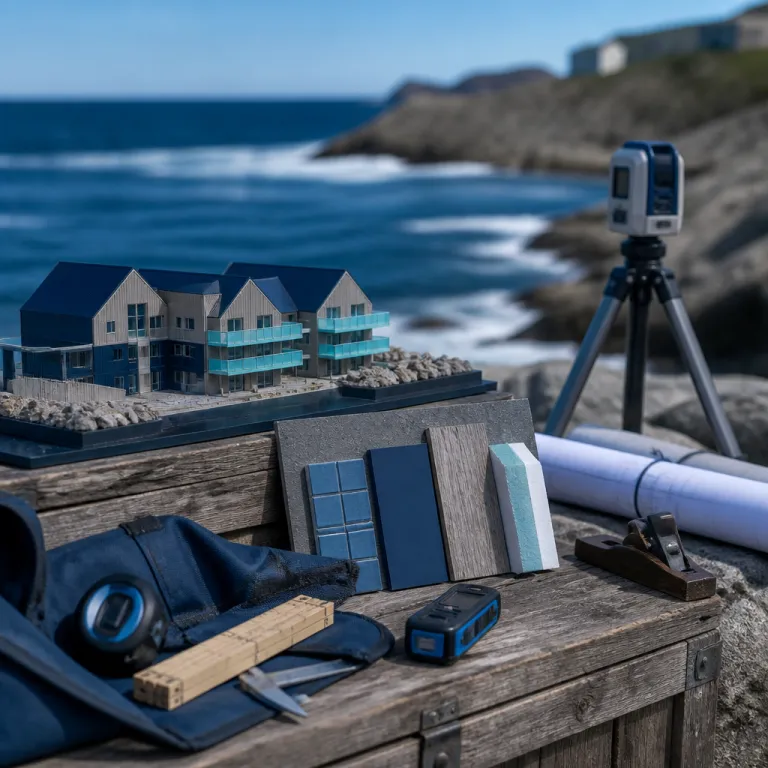
Norway architect hotel design as a new kind of destination
Norwegian architect led hotel design has shifted from pretty scenery backdrops to architecture that leads the entire travel narrative. Today the most interesting hotel in Norway often feels closer to a carefully crafted house for guests, where every corridor, stair and window is part of a larger architectural concept design. For business leisure travelers, this means your chosen hotel located on a fjord edge or in the forest is no longer just a place to sleep but a complete experience of landscape, light and time.
The best projects treat each property as a precise piece of landscape rather than an isolated object. Architects work with the surrounding nature, studying how the landscape changing with season, weather, and time of day will shape your view from bed, from the spa, from a quiet private retreat corner. When you read a serious review of a design hotel in Norway now, you are really reading about how architecture, materials and environment negotiate with each other to create a calm but intense stay.
This approach is deeply rooted in Norwegian traditions of simplicity, restraint and respect for natural beauty. Timber, stone and glass are chosen as materials that age well and sit lightly in the environment, while large windows and open spaces frame the view rather than dominate it. For travelers used to global luxury, the real upgrade here is not gold taps but the feeling that the hotel, the landscape and your own time are in quiet alignment.
From Juvet to landscape hotels that feel carved from the terrain
The modern story of Norway architect hotel design often starts with Juvet, the small landscape hotel in Valldal that turned a remote river bend into an international reference. Designed by Jensen & Skodvin and opened in stages from 2009 according to the architects’ own project notes and the book “Juvet Landscape Hotel” (2014), each cabin feels like a private glass house in the forest, with glass walls on one or two sides that place you directly inside the surrounding nature. You wake to a view of moss, river and rock that changes with every shift of weather time and every time of day.
Juvet Landscape Hotel showed how a hotel located in a fragile environment can become an architectural gem without overwhelming the site. The rooms are scattered as separate retreats, each a quiet piece of landscape architecture that respects existing trees and boulders rather than clearing them away. This is where the idea of a landscape hotel in Norway became a model, inspiring architects to think of each unit as a minimal retreat house that touches the ground lightly yet offers real luxury in its silence and views.
For travelers, the lesson from Juvet and its successors is clear. When you book a design focused hotel Norway stay, ask how the architecture responds to the landscape, not just whether there is a view fjord from the main restaurant. If you want adults only calm wrapped in serious architecture, pair these properties with curated options from refined escapes and serene luxury hotels in Norway to build an itinerary where every stop feels intentional.
Key architect led hotel projects in Norway
Juvet Landscape Hotel – Jensen & Skodvin – 2009–2013 – Valldal, Møre og Romsdal
Svart (planned) – Snøhetta – concept 2017 – Meløy, Nordland
Savoy 1918 interiors – Bielke & Yang – 2020s – Oslo
Selected cabins – Vardehaugen – 2010s–2020s – Trøndelag and coastal Norway
Svart and architecture as climate commitment, not just style
After Snøhetta helped define Norway architect hotel design with projects like the Oslo Opera House, the firm turned its attention to hospitality with Svart, an energy positive hotel planned at the foot of the Svartisen glacier in Meløy. The circular structure hovers above the water on stilts, its form and glass walls calibrated to harvest maximum solar energy while offering a continuous view fjord and glacier. In Snøhetta’s own words, “a hotel that produces more energy than it consumes,” a phrase repeated in the studio’s official project description and widely cited by Norwegian and international design media such as Dezeen and ArchDaily.
Behind the serene simplicity of the ring shaped retreat lies serious engineering and a new ethical brief for luxury. Working with Arctic Adventures of Norway, Asplan Viak and Skanska, the team used sustainable design principles, solar panels and geothermal systems to target an 85 percent reduction in energy consumption compared with a conventional hotel of similar size, as outlined in early feasibility studies published by Asplan Viak and referenced in Snøhetta’s project material. For guests, that means your private room, the spa and every shared open space are part of a larger architecture and environment story, where the building itself becomes a piece of landscape technology rather than just a scenic object.
Svart signals a shift in what a design hotel in Norway can be. The project treats the surrounding natural beauty and fragile Arctic landscape as a client equal to the paying guest, making climate performance as important as the quality of the view or the softness of the bed. If you are planning a trip built around architect led properties, combine this kind of powerhouse project with more intimate stays highlighted in our guide on when architects become the reason to choose a Norwegian hotel to understand the full spectrum.
Quiet interiors and Norwegian identity beyond global design trends
Not every example of Norway architect hotel design announces itself with dramatic silhouettes against a fjord. In Oslo, studios like Bielke & Yang are reshaping interiors from the inside out, as seen in their work on the Savoy 1918 where they blend original details with a restrained, contemporary language documented in the studio’s own case studies and Norwegian design press. Their rooms and lounges show how a hotel Norway interior can feel both historic and sharply modern, using calm colors, tactile materials and carefully edited furniture rather than loud gestures.
This raises a useful question for travelers who care about architecture. When you book a design driven hotel located in a Norwegian city, what actually makes it feel Norwegian rather than like any other global luxury property? Often it is the combination of natural materials such as oiled timber and stone, the way large windows frame a specific urban or fjord view, and an attitude of simplicity that leaves space for your own experience rather than filling every corner.
Studios such as Vardehaugen in Trondheim push this further at a smaller scale, designing cabins and lodges that read as contemporary yet remain deeply rooted in local building traditions. Their houses and retreat structures often use compact footprints, open spaces and precise window placements to choreograph how you move between interior and exterior during different weather time conditions. For guests, staying in such a property feels less like checking into a theme hotel and more like borrowing a well considered Norwegian house that happens to offer hotel level service.
How to read architect led hotels when you book your stay
For business leisure travelers using mynorwaystay.com, the challenge is not finding Norway architect hotel design but choosing the right one for your itinerary. Start by deciding whether you want a landscape hotel retreat, an urban design hotel or a hybrid house like property that balances both. Then read beyond the marketing images to understand how the architecture, materials and environment work together at different times of day and in different seasons.
Look for clues in the plans and photography. Do glass walls and large windows frame a single dramatic view fjord, or do they offer multiple, more intimate views into forest, courtyard or mountain landscape changing with the light? Are open spaces designed as social hubs, or as quiet lounges where you can work well during the day and unwind at night without feeling exposed? The best architectural gems in Norway tend to offer a mix of private nooks and generous shared rooms, all tuned to the rhythms of nature outside.
Finally, pay attention to how each hotel describes its relationship to the surrounding natural beauty and local community. Properties that speak about being a piece of landscape rather than just a building usually have a clearer concept design and a more thoughtful guest experience. When you align your own expectations of luxury with this softer, more landscape aware architecture, your stay in Norway becomes less about checking into a famous name and more about inhabiting a carefully crafted environment for a few unhurried days.
FAQ
What is an energy positive hotel in Norway ?
An energy positive hotel is a property that produces more energy than it consumes over the course of a year. In the Norwegian context, projects like Svart use solar panels, efficient architecture and geothermal systems to cover construction, operations and even parts of guest transport. This approach allows travelers to enjoy high end comfort while significantly reducing the environmental footprint of their stay.
Where is the Svart hotel located in Norway ?
The Svart hotel is planned at the foot of the Svartisen glacier in the Meløy region of Nordland, in northern Norway. Its circular structure will sit above the water near Holandsfjorden, giving guests a continuous view of both fjord and ice. The remote location reinforces the project’s focus on nature, climate and careful landscape integration.
How does Norwegian hotel architecture use glass walls and large windows ?
Norwegian architects use glass walls and large windows to frame specific views of fjords, forests and cityscapes rather than to create generic transparency. In landscape hotels such as Juvet, floor to ceiling glazing places guests directly inside the surrounding nature while still preserving privacy through careful orientation. In urban design hotels, generous windows bring in low Nordic light and connect interiors to streets, harbors or parks.
What makes a hotel feel distinctly Norwegian rather than globally generic ?
A hotel feels distinctly Norwegian when its architecture is deeply rooted in local materials, climate and landscape rather than imported themes. Timber, stone and muted textiles are combined with simple forms, open spaces and precise window placements that respond to weather, daylight and terrain. Guests sense this identity in the calm atmosphere, the honest use of materials and the way the building sits in its environment.
How should I evaluate architect led hotels when planning a business leisure trip ?
When planning a business leisure trip, start by clarifying whether you need quick urban access, a remote retreat in nature, or a combination of both. Then study how each hotel’s architecture supports your routines, from quiet work in well lit lounges to restorative sleep in private rooms that manage light and sound effectively. Finally, consider how the property engages with its landscape and community, since this often signals the overall quality and thoughtfulness of the guest experience.
Sources
Snøhetta official project information on Svart and energy positive buildings; Asplan Viak sustainability and engineering documentation on targeted energy reductions; Visit Norway and regional tourism boards for verified location and travel context; architect case studies from Jensen & Skodvin, Bielke & Yang and Vardehaugen for project specific data; Norwegian and international design media including Dezeen, ArchDaily and local architecture journals for publication dates and project status.