Reading Norway design hotels architecture as a reason to travel
Norway has reached a point where contemporary design and architecture are no longer a backdrop but the main argument for a stay. In the most ambitious hotel projects, architects are asked to choreograph how guests encounter landscape, water and weather, not just how many rooms fit a floor plan. When you book a hotel in northern Norway today, you are often choosing a piece of design as deliberately as you choose a fjord or an island.
This shift is clearest in the new generation of landscape hotel concepts, where low impact structures sit lightly in nature yet deliver high comfort. These properties treat the surrounding landscape as the real lobby, using glass, timber and stone to frame Arctic environment views that change by the minute. For many guests, the architecture becomes the best guide to the Norwegian coast, the Arctic interior and the quiet valleys between.
For business leisure travelers extending a work trip, this makes hotel Norway decisions more strategic. You are no longer comparing only luxury amenities or how quickly meals are served, but how convincingly a design hotel translates the energy of a fjord or the stillness of winter into your room. One guest described arriving after a long meeting day and simply sitting in silence for an hour, watching weather roll past the glazing. The question becomes simple and demanding at once; will this stay feel like a northern lights observatory, an Arctic hideaway or just another stylish address.
Snøhetta and the new language of landscape rooms
Snøhetta sits at the center of Norway design hotels architecture because it treats every project as a conversation with climate. At Lysefjorden, The Bolder elevated cabins show how houses small in footprint can still feel expansive, with floor-to-ceiling glazing pulling the entire landscape into the room. Opened in stages from 2020, the main units hover above the rock on slim columns, and the project team describes it plainly; "a series of elevated cabins in Lysefjorden designed by Snøhetta."
That same studio thinking shapes the planned energy-positive Svart hotel on the Holandsfjord, where circular design aims to reduce energy consumption and turn the fjord into both view and power source. As of mid 2024, the project remains under development, with the concept focused on harvesting solar gain and cutting operational energy use by up to 85 percent compared with a standard hotel, according to published project documentation. Here, the Arctic environment is not a marketing line but the system that is intended to keep the hotel running, from water management to light control in the long winter. Guests who care about low impact stays will find that this kind of design architecture offers more than aesthetics, it offers a measurable way to travel better.
Snøhetta’s influence also runs through Juvet Landscape Hotel, even though the credited architects are Jensen & Skodvin, whose Juvet landscape cabins effectively helped define the modern Norwegian landscape rooms typology when the first units opened around 2010 near Valldal in western Norway. Their grid of glass cubes in the forest made it clear that a hotel in Norway could be both radical and quiet, both luxury and almost invisible from a distance. For a deeper dive into how these studios shaped architectural elegance across the fjords, some specialist travel guides now map the most significant design hotels in dedicated overviews of architectural elegance and unique stays across the fjords.
From Juvet to Manshausen: when architecture becomes the booking reason
Some properties in northern Norway are now booked first for their architects and only second for their location. Juvet Landscape Hotel is the clearest example, where guests arrive knowing the name Jensen & Skodvin and expecting a landscape hotel that lets nature do most of the talking. The cabins feel like refined bird houses scattered through the forest, each one hovering above moss and water with minimal ground contact.
At Manshausen Island Resort in Steigen, designed by Stinessen Arkitektur and opened in 2015 with a handful of sea cabins, glass-fronted units stretch along the rocks so that the sea becomes a floor-to-ceiling horizon line. Here, the island setting is dramatic, but it is the long, linear design that turns every stay into a private screening of storms, midnight sun and winter darkness. One returning guest described waking at 3 a.m. to a pale blue glow and realizing the entire wall was sky and sea. The architecture edits the landscape into a sequence of frames, so that even a short hour drive transfer from the mainland feels like crossing into a curated Arctic hideaway.
These are hotels where the promise of low impact construction and close contact with nature is not abstract. Hot tub decks sit just above the water, meals served focus on local seafood and the energy of the place is carried through every material choice. For travelers comparing the best luxury options, this is where Norway design hotels architecture genuinely changes the trip, rather than simply offering another stylish room with a view.
Vipp, Vardehaugen and the design brand as hotel
Vipp Lofoten, raised on stilts above jagged rocks at Storemolla in the Lofoten archipelago, shows what happens when a design brand becomes a hotel. The compact cluster of cabins, opened in the early 2020s and sleeping only a small number of guests at a time, are effectively full scale showrooms where every handle, lamp and chair has been curated to express a particular design language. For some visitors, this is the best possible stay, a chance to live inside a catalogue of Nordic restraint while the Arctic landscape rages outside.
Yet this is also where form can start to compete with the trip, especially in winter when northern lights and rough seas demand attention. In certain Vipp expansions, the focus on perfect interiors can make the Arctic environment feel like a backdrop rather than the main event, and the houses small in number can feel more like private galleries than a social hotel. The architecture photographs beautifully, but you should ask whether it offers the kind of nature immersion you expect from a remote Norwegian island stay.
Studios like Vardehaugen, with projects such as Ytre Island Retreat at Træna on the Helgeland coast, push in a different direction, using design architecture to tune guests into wind, tide and bird life. Here, structures resemble refined bird houses or landscape rooms scattered along the shore, with low impact foundations and careful siting to respect nesting grounds. If you want a hotel in northern Norway where the midnight sun, not the sofa, becomes the main memory, these are the names to track as you subscribe to a newsletter or plan your next architecture led itinerary.
How to plan a 7 to 10 day architecture led itinerary in Norway
Using architecture as the through line for a Norway trip works best when you balance intensity with quiet. Start with a design hotel near a major city for easy arrival, then move gradually toward more remote landscape hotel properties where the Arctic environment takes over. A typical route might link a fjord side stay, an island retreat and finally a forest based Juvet landscape style property.
One practical pattern is to fly into Oslo or Bergen, then take an hour drive or short flight to your first fjord hotel Norway stay. From there, head north to Manshausen or another island resort in northern Norway, where water, rock and glass define the experience and hot tub decks face the midnight sun. Finish inland at a property like Juvet Landscape Hotel, where the architecture withdraws just enough to let winter snow, autumn rain or summer light become the main design element.
Throughout this kind of itinerary, pay attention to how each hotel offers different relationships with nature, energy use and privacy. Some emphasize communal meals served in long houses small in scale, others give you near total quiet with only the sound of water and wind. For curated suggestions that focus on the best luxury properties and honest reviews, specialist guides to the best 5 star hotels Norway offers can anchor your planning while you refine the architecture specific segments.
Materials, climate and why this pattern is uniquely Norwegian
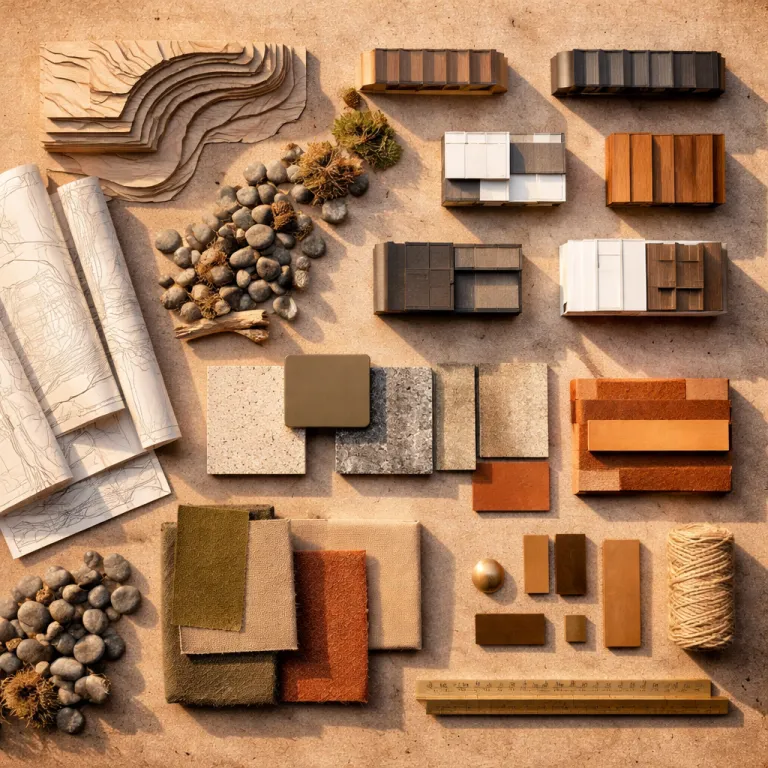
What sets Norway design hotels architecture apart from other Nordic countries is how directly it engages with harsh climate. Architects here work with driving rain, salt spray and deep winter darkness, using charred wood, untreated timber and thick glass to create low impact structures that age with the landscape. The result is a generation of hotels where the materials feel as honest as the views.
In the Arctic north, design hotel projects must handle extreme shifts between winter storms, northern lights displays and the flat glow of the midnight sun. Floor-to-ceiling glazing is carefully oriented to capture light without overheating, while overhangs and decks manage snow and water runoff. Guests may not see the technical drawings, but they feel the calm that comes from a building tuned precisely to its Arctic environment.
This pattern is hard to replicate elsewhere because it depends on a long Norwegian tradition of working with landscape rather than against it. From bird houses inspired cabins to landscape rooms that almost disappear among rocks and trees, the architecture accepts that nature will always be the stronger partner. For travelers who care about both luxury and integrity, these are the hotels where the architects become the reason to book, and where every stay quietly proves why Norway remains one of the most compelling laboratories for serious hospitality design.
FAQ: Norway design hotels architecture and planning your stay
What is The Bolder project and where is it located ?
The Bolder is a series of elevated cabins in Lysefjorden, in western Norway, designed by Snøhetta in collaboration with developer Tom Bjarte Norland and design brand Vipp. The cabins use minimalist design architecture, local materials and floor-to-ceiling glazing to frame the surrounding fjord landscape. They are aimed at guests seeking a low impact, high comfort stay with strong visual connections to nature.
How does Juvet Landscape Hotel differ from other Norwegian properties ?
Juvet Landscape Hotel, designed by Jensen & Skodvin, pioneered the idea of small glass cabins scattered through a forest rather than a single large building. Each unit functions like a refined bird house, with large windows that place guests directly in the landscape while keeping the environmental footprint low. Compared with more conventional hotel Norway options, Juvet offers a quieter, more immersive relationship with water, rock and forest.
Are architecture led hotels suitable for winter stays and northern lights trips ?
Many design hotels in northern Norway are specifically planned for winter, with strong insulation, carefully oriented glazing and hot tub terraces that work in freezing temperatures. Properties marketed as an Arctic hideaway often provide dark sky conditions and minimal light pollution, which helps when watching the northern lights. When booking, check how the hotel describes its winter operations, meals served schedule and access during snow or storms.
How environmentally friendly are these Norwegian design hotels in practice ?
Leading projects focus on low impact construction, reduced energy consumption and sensitive placement in the landscape. Some, like the planned Svart hotel, aim for energy positive performance, while others rely on compact houses small in number, local materials and careful water management. Travelers who prioritize sustainability should look for clear information on energy use, waste systems and how the property interacts with the surrounding Arctic environment.
How far in advance should I book architecture focused hotels in Norway ?
Because many landscape hotel projects have limited landscape rooms and high demand, especially during midnight sun and northern lights seasons, early booking is essential. For peak periods, securing a stay three to six months ahead is wise, particularly if you are threading multiple design hotel properties into one itinerary. Always allow buffer days for an hour drive transfers, weather disruptions and the quiet time that makes these architecture led stays so rewarding.