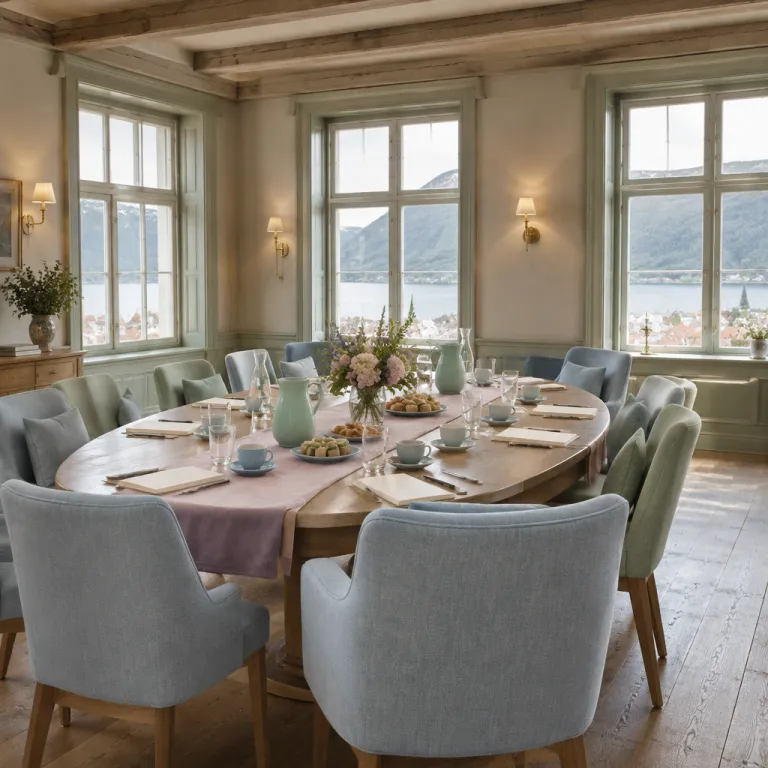
How De Historiske meeting spaces shape your stay in Norway
Choosing a luxury hotel in Norway often starts with understanding how many meeting rooms and event venues a property offers, which is where the meeting spaces data on De Historiske’s website becomes essential. When you browse historic hotels on this curated platform, the practical information about each hotel’s meeting capacity quietly guides you toward the right setting for both work and leisure. This saves time for travellers who want a refined experience without sacrificing the flexibility to host a board meeting, a family celebration, or a small conference.
De Historiske is a Norwegian company that brings together independent hotels and historic hotels under one carefully selected umbrella, and its approach to listing meeting spaces reflects a deep respect for heritage as well as modern needs. Instead of only highlighting rooms and suites, the platform presents how many meeting spaces each hotel offers, including salons, ballrooms, and intimate lounges, so the overall meeting room count becomes a planning tool rather than a dry statistic. For guests, this means that a single hotel can host a strategy session in the morning, a tasting menu in one of the hotels restaurants at lunch, and a fireside talk in the library at night.
Many travellers arrive first as leisure guests and later return as corporate planners, so understanding this meeting spaces overview early will help you imagine future uses of the same property. When you evaluate hotels in Norway, look at how the number of meeting rooms aligns with your group size, your preferred layout, and your need for privacy. This mindset turns a beautiful hotel into a versatile base for both adventure and business, especially when the property is part of a network of independent hotels that share similar standards.
From Bergen boardrooms to fjord salons : reading the numbers
In Bergen, the historic hotels listed with De Historiske illustrate how the meeting room figures translate into real experiences for guests. A property such as Grand Hotel Terminus, presented in detail in this guide to a refined historic stay in Bergen, shows how one address can combine classic architecture with multiple meeting rooms and salons. When you compare hotels in Bergen, pay attention not only to star ratings but also to how many distinct spaces can be reserved at the same time for parallel sessions or private dinners.
Each hotel on the De Historiske platform provides data about capacity, layout options, and technical equipment, and this information will help you match the number of meeting spaces with your agenda. A hotel with three mid sized rooms and one grand hall might suit a conference with plenary sessions, while another with several small salons could be ideal for workshops and confidential negotiations. For travellers who value a seamless experience, this clarity means you can plan an efficient schedule without losing the sense of place that defines Norwegian historic hotels.
Many of these hotels restaurants are integrated into the meeting flow, so a coffee break can happen in a wood panelled bar while lunch is served in a bright dining room overlooking Bergen’s rooftops. When you contact a hotel, ask for floor plans and photo galleries that show how meeting rooms connect to public spaces, because this will reveal how guests move through the property during the day. When you receive floor plans or a foto gallery, check that images include captions and alt text such as “Bergen historic hotel conference room floor plan” so that the meeting spaces data remains accessible and easy to interpret for every planner.
Inside the numbers : capacity, layouts, and historic character
Behind every meeting room overview on De Historiske’s site lies a mix of capacities, ceiling heights, and architectural details that shape your event. A single hotel might list five meeting spaces, yet those rooms can range from a 12 seat boardroom to a 200 person ballroom, so the raw data will only make sense when you read it alongside floor plans and capacity charts. For complex events in Norway, this is where a careful review of layouts becomes as important as the number itself.
De Historiske encourages its independent hotels to publish clear information about theatre, classroom, and banquet setups, including maximum capacities for each configuration. When you study these details, you can align the meeting spaces list with your agenda blocks, ensuring that plenary sessions, breakout groups, and evening receptions all have suitable rooms. A practical resource for this way of thinking is this guide on how to read Norwegian ballroom and conference hall floor plans, which helps you interpret diagrams and capacity tables.
Historic hotels often add another layer of complexity, because protected interiors limit structural changes while enhancing the sense of occasion. When you evaluate hotels restaurants and lounges, consider how adjacent spaces can serve as informal breakout zones or networking corners, effectively increasing the functional meeting spaces count without altering the official data. To improve experience for all participants, ask the hotel whether the floor plan images include descriptive alt text and whether the browser view of capacity tables has been tested with modern assistive tools, so that every guest can navigate the historiske surroundings with confidence.
Kviknes Hotel and fjordside venues : when history meets meetings
Kviknes Hotel in Balestrand is a prime example of how a historic fjordside property can turn a simple list of meeting rooms into a memorable experience. The hotel combines grand wooden architecture with modern conference facilities, so guests can move from a plenary session to a terrace overlooking the Sognefjord in a matter of minutes. For many planners, this blend of scenery and practicality is the reason they choose Norway over more conventional urban destinations.
When you review the meeting spaces data for Kviknes Hotel, you will notice a mix of large halls and smaller rooms that can host parallel workshops or private board meetings. The hotel’s information on capacities, ceiling heights, and technical equipment allows you to map each part of your agenda to a specific room, ensuring that the flow of people feels natural throughout the day. Because Kviknes Hotel is part of a network of independent hotels, it benefits from shared standards while retaining its unique Norwegian character and family run warmth.
Guests often extend their stay to enjoy outdoor adventure, turning a conference into a mini holiday along the fjord. This is where the meeting room overview intersects with activities such as boat trips, hikes, and cultural visits, since the same hotel can host both a morning seminar and an afternoon excursion. For travellers who value both efficiency and emotion, this combination of historic hotels and dramatic landscapes creates a setting that feels far removed from anonymous conference centres.
Digital journey : from outdated browser warnings to member benefits
Planning a stay in Norway through De Historiske’s website involves more than choosing a hotel ; it also means navigating a digital experience that respects both heritage and modern usability. If your browser is old, you may see an outdated browser message encouraging a browser upgrade so that the site can load photo galleries, maps, and booking tools correctly. Taking a moment for a quick upgrade browser step will help the platform run smoothly and improve experience across all pages.
The site uses data to remember your preferences, so a modern browser will allow features that improve experience, such as saving favourite hotels or tracking which historic hotels you have already viewed. When the system suggests that you upgrade browser or adjust settings, it is not only a technical request but also a way to ensure that the meeting spaces information and other details display accurately. A stable browser improve step can prevent missing information about capacities, layouts, or contact details that are essential for event planning.
Many travellers choose to create a profile through a member sign up process, which can feel like a sign start to a longer relationship with the company and its partners. Once you become an adventure member, you can start adventure planning across multiple independent hotels, using saved searches and wish lists to compare meeting spaces and room types. This digital layer supports the human side of hospitality, making it easier to contact properties, share foto links with colleagues, and coordinate decisions in less time.
From hytte culture to curated partners : why context matters
Understanding the meeting room data on De Historiske also means understanding Norwegian culture, where nature, simplicity, and shared meals play a central role in hospitality. Many of the company’s partners operate hotels that echo the spirit of traditional cabins, and this article on what hytte culture teaches luxury travellers explains how comfort and authenticity coexist in Norway. When you choose historic hotels through De Historiske, you tap into this cultural backdrop while still enjoying polished service and reliable meeting facilities.
The network brings together independent hotels and hotels restaurants that share a commitment to local ingredients, regional design, and personal contact with guests. This means that the meeting spaces overview is never just a technical figure ; it reflects how many rooms can host conversations, tastings, and storytelling sessions that connect visitors with Norwegian landscapes and communities. For planners, this context helps transform a standard meeting into an adventure that participants will remember long after they return home.
Travellers who value authenticity often appreciate that De Historiske works with independent partners rather than anonymous chains, allowing each hotel to express its own historiske identity. When you review data on capacities and layouts, consider how the surrounding village, fjord, or city quarter will shape the overall experience for your group. In this way, the meeting spaces count becomes one part of a larger narrative that blends architecture, cuisine, and outdoor adventure into a coherent stay.
Key figures on historic hotels and meetings in Norway
- According to De Historiske’s public information, the association brings together more than 80 historic hotels and guesthouses across Norway, giving planners a wide geographic spread for meetings and events.
- Visit Norway reports that business events and meetings account for a substantial share of overnight stays in major cities such as Oslo and Bergen, with conference related stays representing an important portion of hotel occupancy during weekdays.
- Statistics Norway has shown that Norwegian hotels have maintained relatively high average occupancy rates in recent years, which underlines the importance of advance planning when booking multiple meeting spaces in popular destinations.
- Industry analyses from organizations such as the International Congress and Convention Association highlight that Norway consistently ranks as an attractive destination for small and mid sized international meetings, where historic venues and natural surroundings are key decision factors.
FAQ : planning meetings in Norwegian historic hotels
How should I interpret the De Historiske meeting spaces count for each hotel ?
The meeting spaces figure on each hotel page indicates how many distinct rooms a property can offer for meetings, conferences, or private events. You should always read this number alongside capacity charts and floor plans to understand how many people each room can hold in different layouts. This combination of data will help you match your agenda with the right mix of plenary and breakout spaces.
Are historic hotels in Norway suitable for modern conferences and hybrid events ?
Many historic hotels in Norway have invested in updated audiovisual equipment, reliable Wi Fi, and flexible furniture, making them suitable for modern conferences and hybrid formats. When you contact a property, ask specifically about streaming capabilities, microphones, and technical support during your event. It is wise to request recent photo material of meeting rooms set up for similar events to gauge how well the space fits your needs.
What is the advantage of choosing independent hotels within the De Historiske network ?
Independent hotels within the De Historiske network combine local character with shared quality standards, so you benefit from both individuality and reliability. Each hotel retains its own historiske identity, yet the company and its partners collaborate on training, sustainability, and guest experience. This structure helps ensure that the meeting spaces count reflects not only quantity but also a consistent level of service.
How early should I book meeting spaces in Norwegian historic hotels ?
For peak seasons and popular destinations such as Bergen or the fjord regions, it is prudent to reserve meeting spaces several months in advance. Historic hotels often have a limited number of large rooms, so the available meeting spaces can fill quickly when multiple groups plan events at the same time. Early booking also gives you more flexibility to adjust layouts, menus, and activities around your preferred dates.
Can I combine meetings with outdoor activities and cultural experiences ?
Many Norwegian historic hotels specialize in combining meetings with outdoor adventure and cultural programmes, from fjord cruises to guided city walks. When you plan your stay, ask the hotel about partnerships with local operators and how activities can be scheduled around your sessions. This integrated approach turns the meeting spaces overview into the backbone of a richer, more memorable programme for participants.