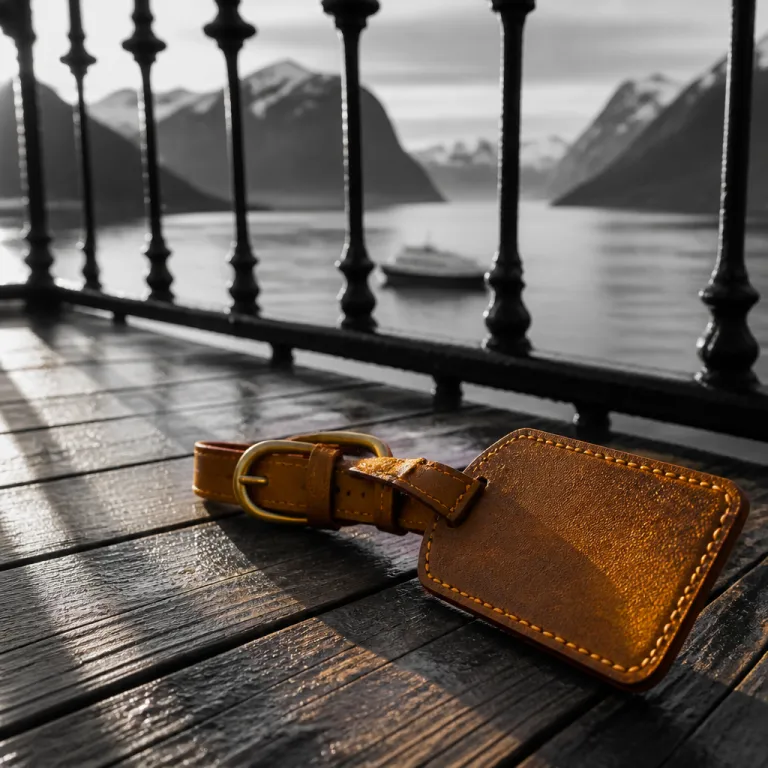
Reading norway hotel booking summer peak season in late July
Norway in late July runs at full volume, and navigating Norway hotel booking in the summer peak season becomes a question of timing rather than luck. Warm days, long daylight hours and the Midnight Sun in the northern regions pull travelers into the fjord region just as occupancy in the most sought after hotels climbs close to full. You get warm temperatures with long daylight hours and the Midnight Sun in the north, which is exactly what drives demand.
For a couple planning a trip to Norway during this season summer window, the first decision is not which fjord is most beautiful but which dates let you actually stay where you want. Between June and August, the coolcation effect pushes demand noticeably higher than previous summers, as travelers trade Mediterranean heat for Norway summer light. According to Visit Norway and STR trend summaries, July occupancy in key fjord towns and Lofoten often exceeds ninety percent, which is why the best time to check availability for a fjord hotel is roughly six to nine months out, especially if you want a northern lights focused extension in the shoulder season.
Peak season in late July concentrates around the western fjords, the Lofoten Islands and the Oslo Bergen axis, where the most scenic rail and ferry routes intersect. If you visit Norway without a plan, you will still find a hotel, but not necessarily in the city or fjord you had in mind. Smart money treats Norway hotel booking in summer’s peak weeks like a limited edition release, using online reservation platforms and local tourism websites as tools rather than afterthoughts.
How the new tourism tax changes the bill, not the demand
The Norwegian Government has discussed and implemented tourism related taxes on accommodation in recent years, and a small percentage based surcharge now appears on invoices at many mid range and premium hotels. For a high end fjord suite at places such as Hotel Union Geiranger or a northern design hotel in Tromsø like Clarion Hotel The Edge, that extra line on the bill is noticeable but rarely trip changing for couples already investing in a special stay. Local businesses from fjord lodges to Oslo city hotels report through regional destination companies that such taxes have not significantly slowed bookings, because travelers value the overall trip Norway experience more than a marginal price shift.
What the tax does change is how you compare special offers and free cancellation policies across hotels in Norway. When you check availability, look for rates that either absorb the surcharge into a package or offset it with included tours, such as a small group fjord tour or a curated city walk. In late July, many of the best hotels in the Norwegian fjords bundle these costs into multi night stays, making a three night stay better value than two separate nights in different fjords.
For couples planning a visit, the practical move is to lock in a flexible rate early, then refine the itinerary as tours and transfers fall into place. Free cancellation up to a certain time gives you room to adjust if a better fjord region option appears or if you decide to add a northern lights extension later in the year. This approach respects both your budget and the reality that Norway hotel booking in the summer peak season is dynamic, with last minute corporate cancellations occasionally releasing prime rooms back into circulation.
Fjord region strategy: where late July pressure is highest
The western fjords are the poster image of summer Norway, and that is exactly why they book out first. Geirangerfjord and Nærøyfjord, both UNESCO listed, see their best hotels approach more than ninety five percent occupancy in late July, especially for rooms with direct fjord views. STR and regional tourism boards regularly highlight Geiranger, Flåm and Aurland as among the most saturated areas in high summer, so if your heart is set on these fjords during peak season, the best time to secure a hotel is before winter ends.
When you visit Norway for a romantic trip, think in terms of corridors rather than single spots, such as the Oslo Bergen corridor or the broader fjord region stretching from Hardangerfjord to Sognefjord. Arriving Tuesday or Wednesday rather than Friday gives you a better chance at the same hotel, because many properties hold inventory for corporate guests whose plans often change at short notice. That is when small group cancellations open up suites that never appear on public listings, and a quick check availability call or email to a hotel like Fretheim Hotel in Flåm or historic properties in Balestrand can be rewarded.
Bergen itself is the pressure valve and the prize, a city that functions as both a cultural stop and a launch pad for fjord tours. If you want a curated view of the best hotels in this city during Norway hotel booking summer peak season, use an elegant travel guide to the best hotels Bergen has to offer on a trusted Norway focused resource as your reference point. From there, you can build a stay that combines one or two nights in the city with a longer stay deep in the fjords, balancing beautiful scenery with the ease of urban dining and transport.
Alternative fjords when the classics are full
Once Geiranger and the central Norwegian fjords are full, many travelers assume the game is over, but that is when the insiders quietly pivot north. The Helgeland coast, Vesterålen and the inner fjord region around Nordfjord still have availability in late July, especially for couples willing to split their stay between coast and inland valleys. These areas offer fjords that are less photographed but equally beautiful, with fewer tour buses and more time to simply sit and watch the light.
For a couple focused on Norway summer landscapes rather than ticking off names, a small group tour along the Helgeland coast can feel more intimate than a mass market fjord cruise. You still get the drama of steep mountains meeting the sea, but your hotel is more likely to have space in peak season and to offer special offers for longer stays. When you check availability in these regions, look for properties that include guided hikes or boat tours in their rates, because that turns a stay into a complete trip Norway experience.
Late July weather supports this strategy, with average temperatures around nineteen degrees Celsius in Oslo and mild conditions along the coast, according to Visit Norway climate summaries. That makes it comfortable to visit during off peak hours, such as early morning or late evening, when the light is soft and the trails are quiet. Using real time crowd data from local tourism websites helps you choose the best time to visit viewpoints and fjord villages, keeping your season summer experience calm rather than crowded.
Lofoten, north cape and the art of using the light
Lofoten has become the poster child of summer Norway, and in late July the Lofoten Islands feel like a long, slow festival of light. The Midnight Sun hangs low over white sand beaches and fishing villages, turning even a simple walk from hotel to harbor into a cinematic moment. That beauty is exactly why Norway hotel booking summer peak season hits Lofoten first, with many hotels sold out months in advance.
For couples, the smartest move is to treat Lofoten as a multi night stay anchored around one or two carefully chosen hotels, then use small group tours to reach more remote islands. Arriving midweek again helps, because weekend dates are often blocked by tour operators who package rooms with kayaking or hiking tours. When you check availability, ask directly about last minute corporate or group cancellations, as these can release the best rooms with views of the fjord or the open sea at places such as Svolvær’s waterfront hotels or classic rorbuer cabins in Reine.
Farther north, the North Cape and the wider northern coast offer a different reading of light, with long days that never quite turn dark. This is where the narrative shifts from northern lights to northern light itself, a season when the sky never fully commits to night. For a deeper perspective on why the Arctic now belongs to summer travellers, a thoughtful article on travelling beyond aurora from a specialist Norway site can help couples use this light to design a slower, more reflective trip.
When northern lights meet summer planning
Late July is not the best time for northern lights, but it is the best time to plan for them while you are already in Norway. Many travelers now combine a summer Norway trip with a return visit in the darker months, using their first stay to understand the northern cities and fjord region logistics. In that sense, Norway hotel booking during the summer peak season becomes the first chapter of a longer relationship with the country.
Hotels in Tromsø, Alta and the northern fjords often offer special offers for guests who book a future northern lights stay while on site in summer. You might spend late July under the Midnight Sun, then return months later to chase the aurora from the same hotel terrace, guided by the same local businesses and tour operators. This approach spreads your budget and lets you experience both sides of the northern lights story without rushing either trip.
When you visit Norway in late July, use your time to scout neighborhoods, test transfers and talk to staff about the best time to return for aurora. Local teams know when the city is quieter, which small group tours are more serious about photography and which hotels handle weather disruptions gracefully. That is practical intelligence you cannot get from a brochure, and it turns a single trip Norway into a long term project of returning to the same places in different season phases.
Inner Norway, oslo bergen and the quiet luxury of space
While the coastal fjords and Lofoten islands absorb most of the late July attention, inner Norway quietly offers a different kind of luxury. Mountain regions such as Jotunheimen and Rondane see fewer tour buses but increasingly refined hotels, where the focus is on silence, views and long dinners rather than packed excursion schedules. For couples who value space over spectacle, this is where Norway hotel booking summer peak season still feels human.
These inland areas peak slightly later than the western fjords, which means that late July often still has availability in high end lodges and design focused properties. The air is cooler, the trails are less crowded and the time you spend outside feels more like a retreat than a race between viewpoints. When you check availability here, look for stays that include guided hikes, sauna sessions and slow dinners, because that is where the value lies rather than in a long list of generic tours.
On the transport side, the Oslo Bergen rail line remains one of the most beautiful journeys in Europe, and it can be used as a spine for your itinerary. You might start with a city stay in Oslo, ride the train across the plateau, then drop into the fjord region for a few nights before ending in Bergen. For a refined overview of where to stay at that final city stop, an elegant guide to the best hotels in Bergen on a reputable Norway travel platform helps you align your hotel choices with your preferred pace.
Booking tactics for couples in late July
For couples navigating Norway hotel booking summer peak season, the most effective tactic is to combine early planning with targeted flexibility. Book your anchor hotels in key fjords or cities first, using free cancellation where possible, then layer in tours and transfers once flights are confirmed. That way, you hold the best rooms without locking yourself into a rigid schedule too early.
Use online reservation platforms for broad scanning, but always cross check availability directly with the hotel, especially in the Norwegian fjords and northern regions. Properties sometimes keep their last rooms offline for direct guests or small group operators, and a polite email can surface options that search engines miss. Local tour operators and hospitality services are used to late July pressure and can often suggest alternative dates or nearby hotels that match your style.
Finally, remember that the goal is not to win a game of scarcity but to shape a trip Norway that feels like you. Visit during off peak hours, explore lesser known fjords and give yourself time to simply sit with the light, whether it is the Midnight Sun or the soft glow over a city harbor. With that mindset, even the busiest season summer weeks become an asset rather than an obstacle, turning your stay into something that feels both intentional and quietly luxurious.
FAQ
What is the weather like in Norway in late July ?
Late July in Norway brings warm temperatures, long days and generally stable conditions that favor outdoor activities. Coastal cities such as Oslo average around nineteen degrees Celsius, while Bergen stays mild with relatively low rainfall for the fjord region. In the far north, the Midnight Sun keeps daylight going around the clock, which changes how you plan your time to visit viewpoints and schedule tours.
How can I avoid crowds during peak season in Norway ?
To avoid crowds during Norway hotel booking summer peak season, secure your hotel and key tours well in advance, then visit popular sites during early morning or late evening. Use real time crowd data from local tourism websites to choose the best time to visit major fjords and city attractions. Exploring lesser known destinations such as the Helgeland coast, Vesterålen or inner Norway mountain regions also reduces pressure and often improves the quality of your stay.
Is late July a good time to see the northern lights in Norway ?
Late July is not suitable for seeing the northern lights, because the northern regions experience continuous or near continuous daylight. This period is ideal for enjoying the Midnight Sun and planning a future aurora focused trip once the nights return. Many hotels and tour operators in northern cities offer special offers if you book a later northern lights stay while visiting in summer.
How far in advance should I book hotels for late July in Norway ?
For the most popular fjords, Lofoten and key city stays, aim to book six to nine months before your trip Norway. Peak season occupancy in the best hotels often exceeds ninety five percent, especially for rooms with fjord or harbor views. Using flexible rates with free cancellation lets you secure preferred properties early while still adjusting your itinerary as flights and tours are confirmed.
Are there festivals or events in Norway in late July that affect hotel availability ?
Late July coincides with various cultural festivals and local events across Norway, which can tighten hotel availability in certain cities and fjord towns. Events such as Bergen’s summer concert series, Moldejazz in mid July and local food festivals along the fjord region add atmosphere to your visit but also increase demand for central hotels and convenient small group tours. Checking city calendars and coordinating your stay around major festival dates helps you either join the activity or intentionally choose quieter time windows.
Trustful_expert_quotes
Sources such as the official Visit Norway tourism board, regional destination companies, hospitality analytics providers like STR and specialist operators in Arctic Norway provide data on July temperatures, rainfall, daylight hours and occupancy trends that support planning for Norway hotel booking summer peak season.